Last updated October 31, 2026
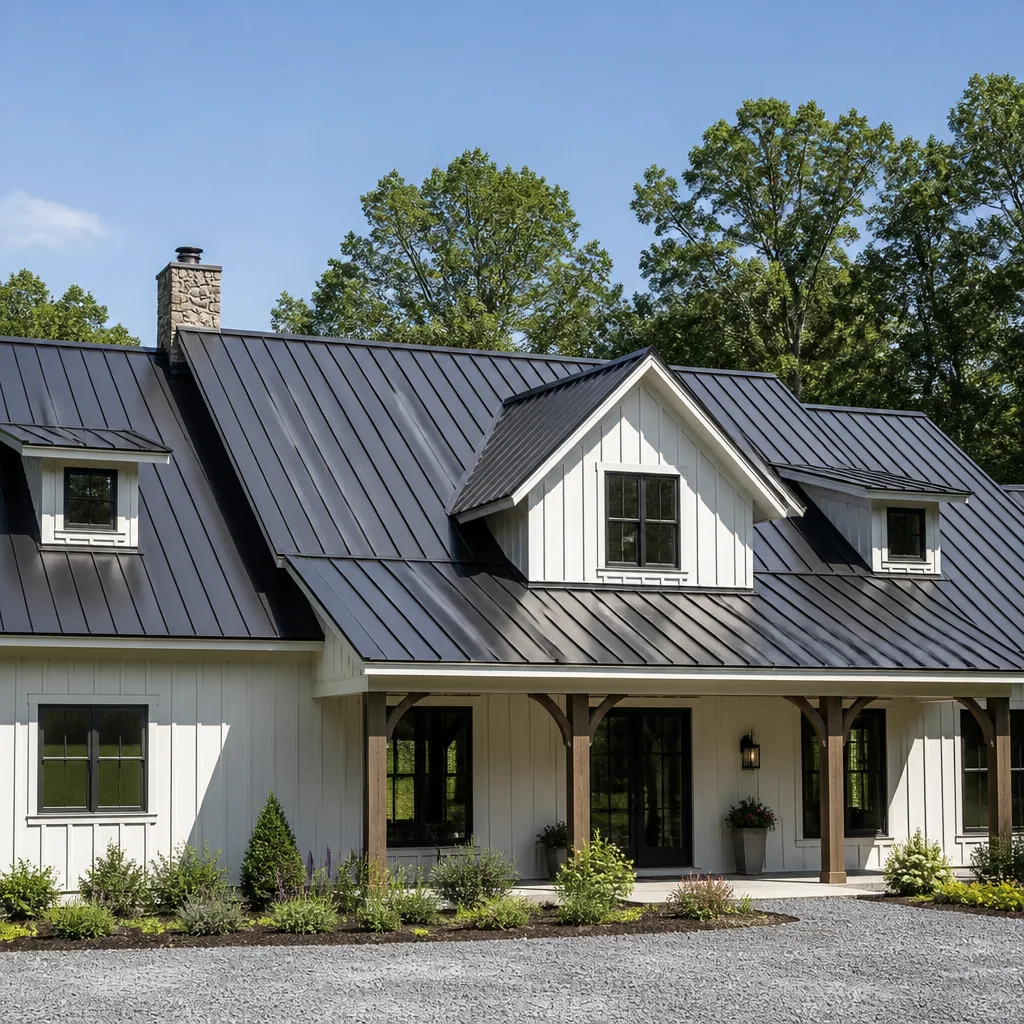 Metal roofing
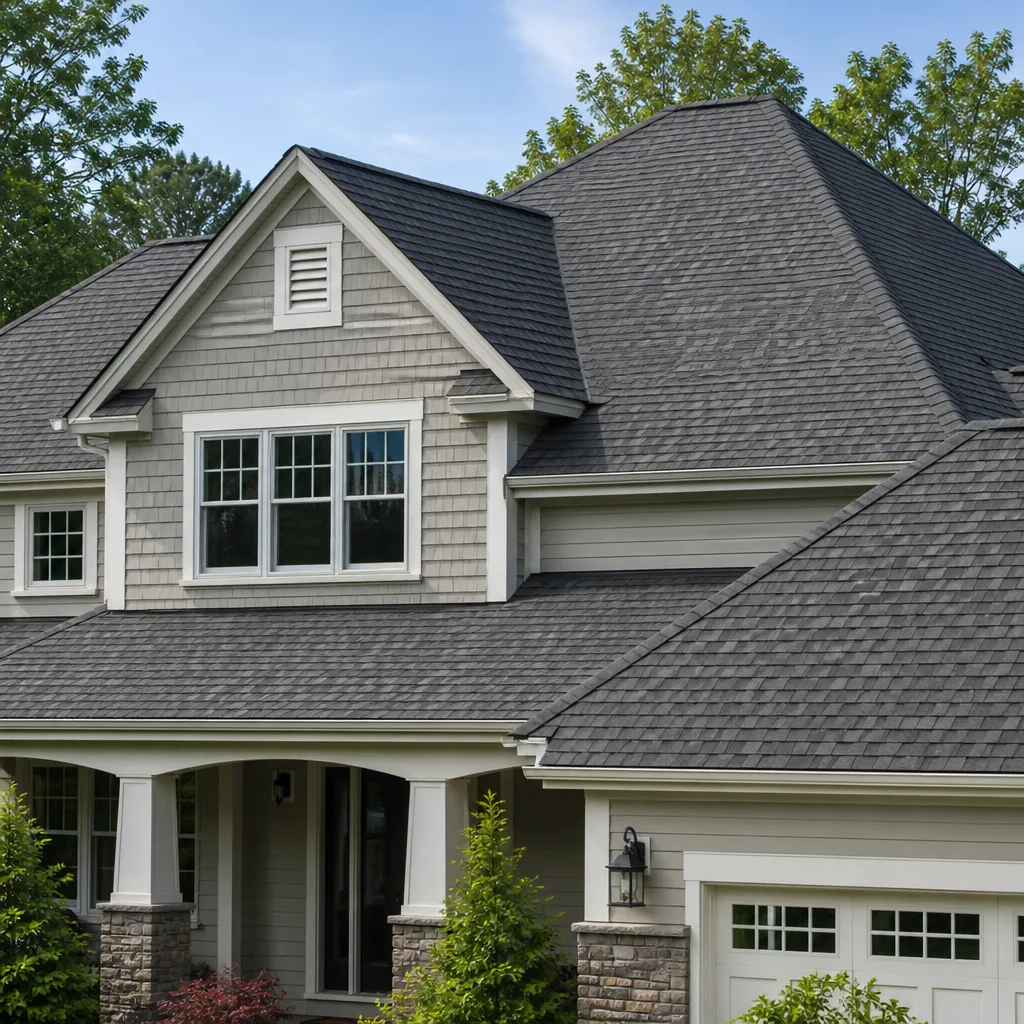 Architectural shingles
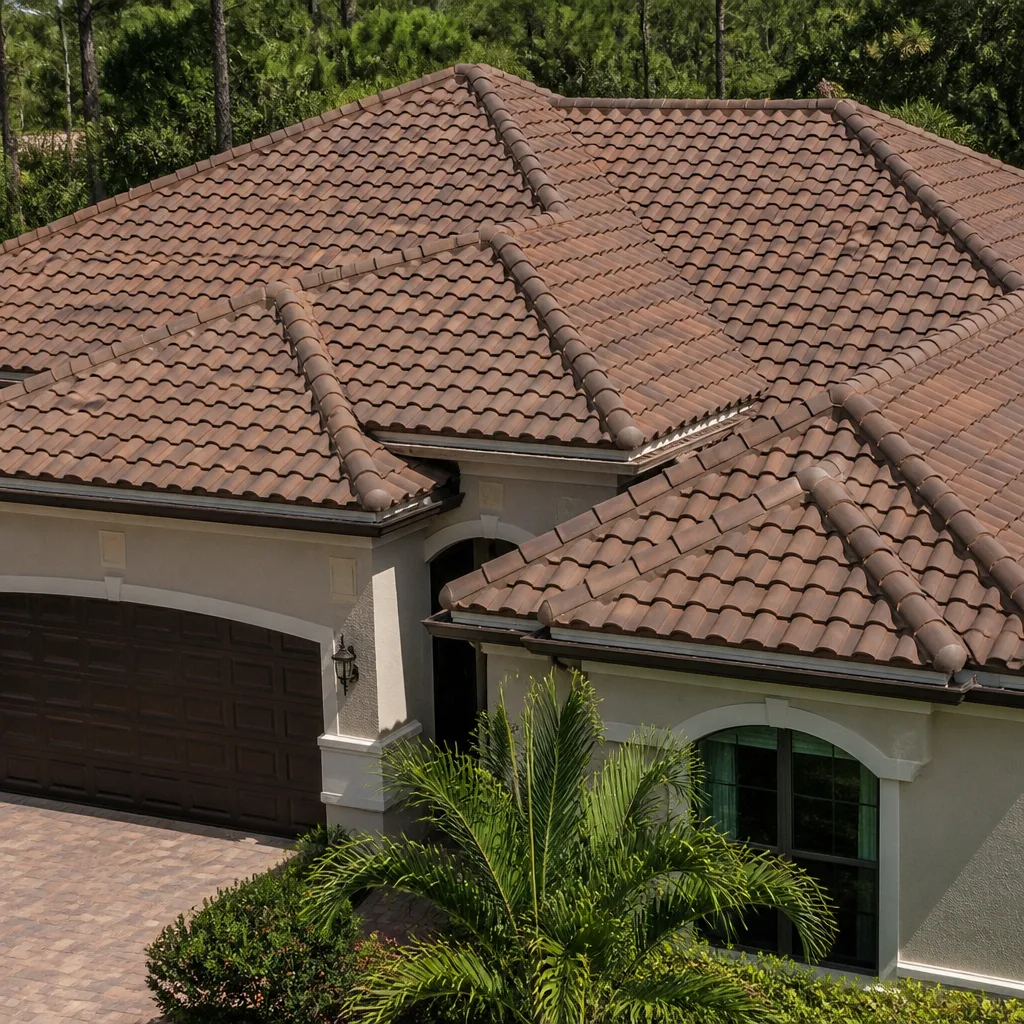 Tile roofing
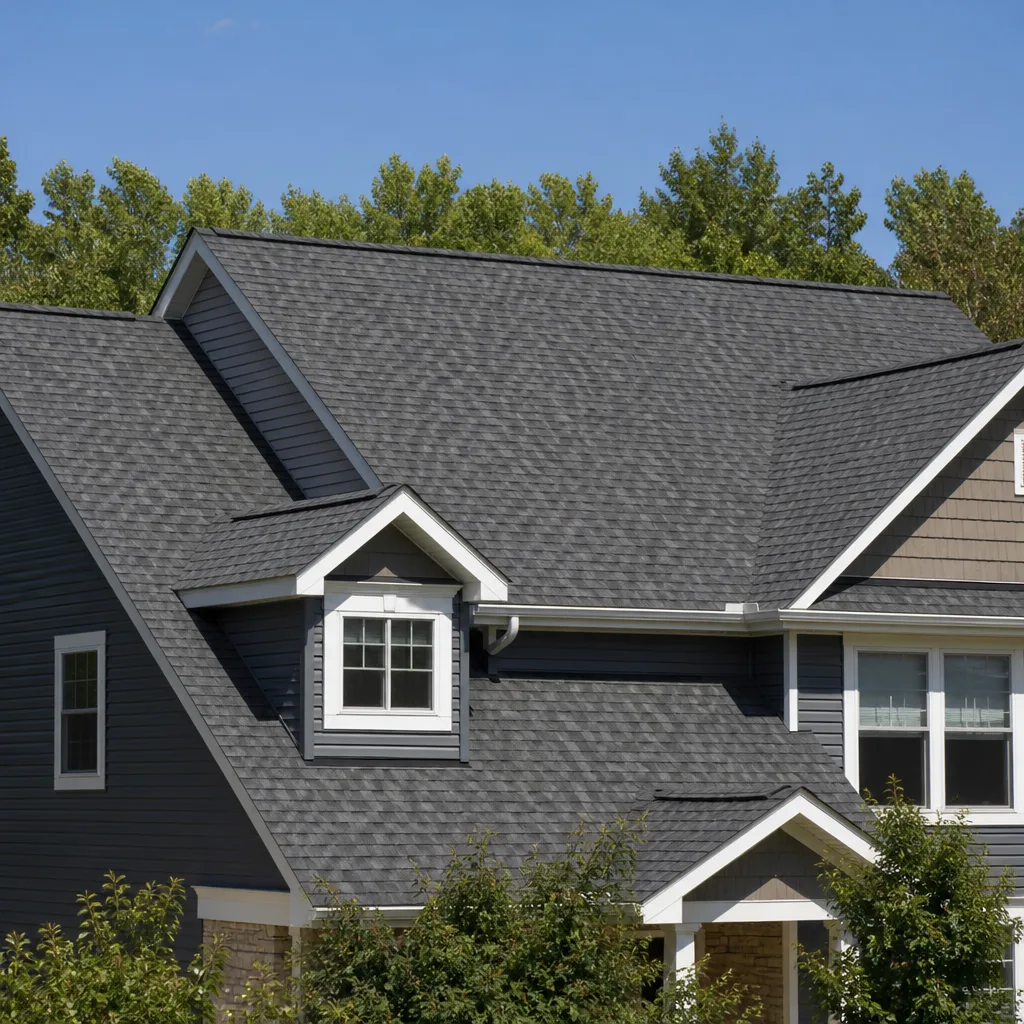 GAF
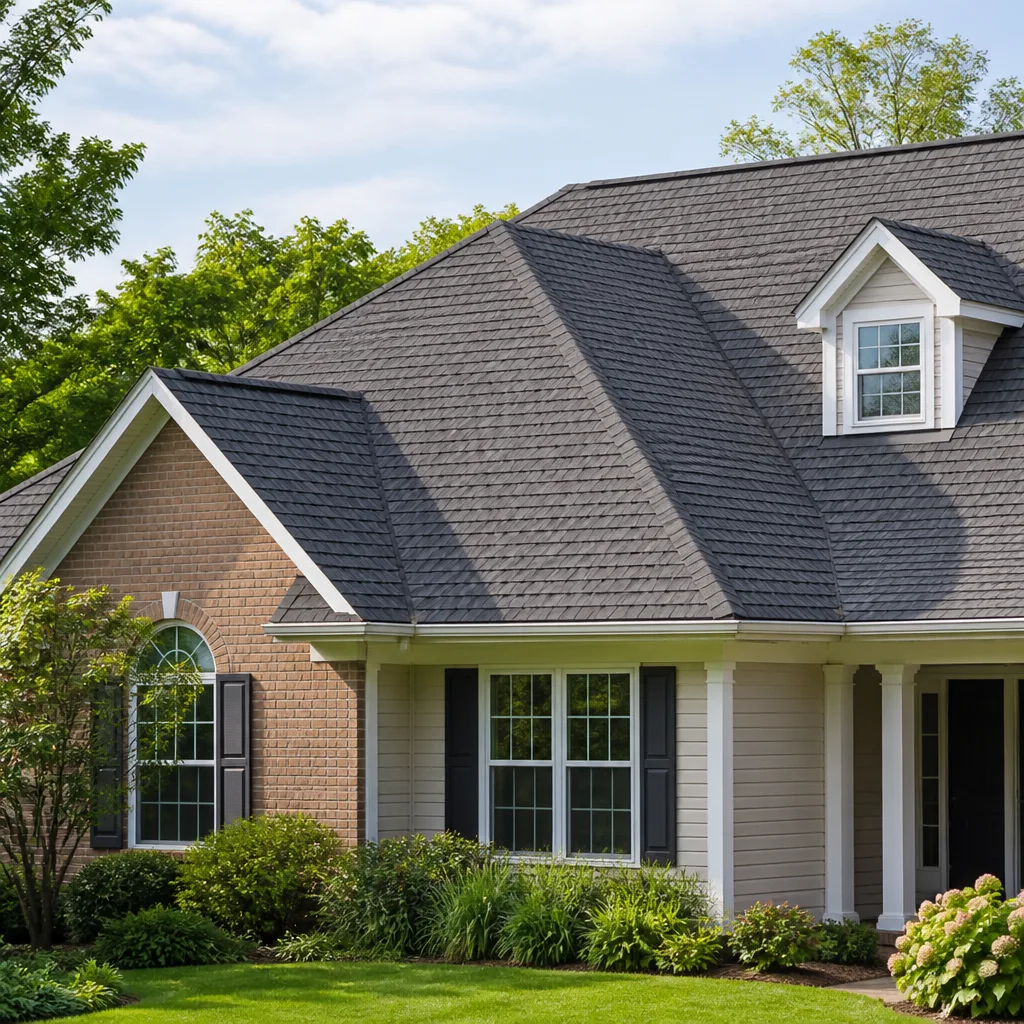 Owens Corning
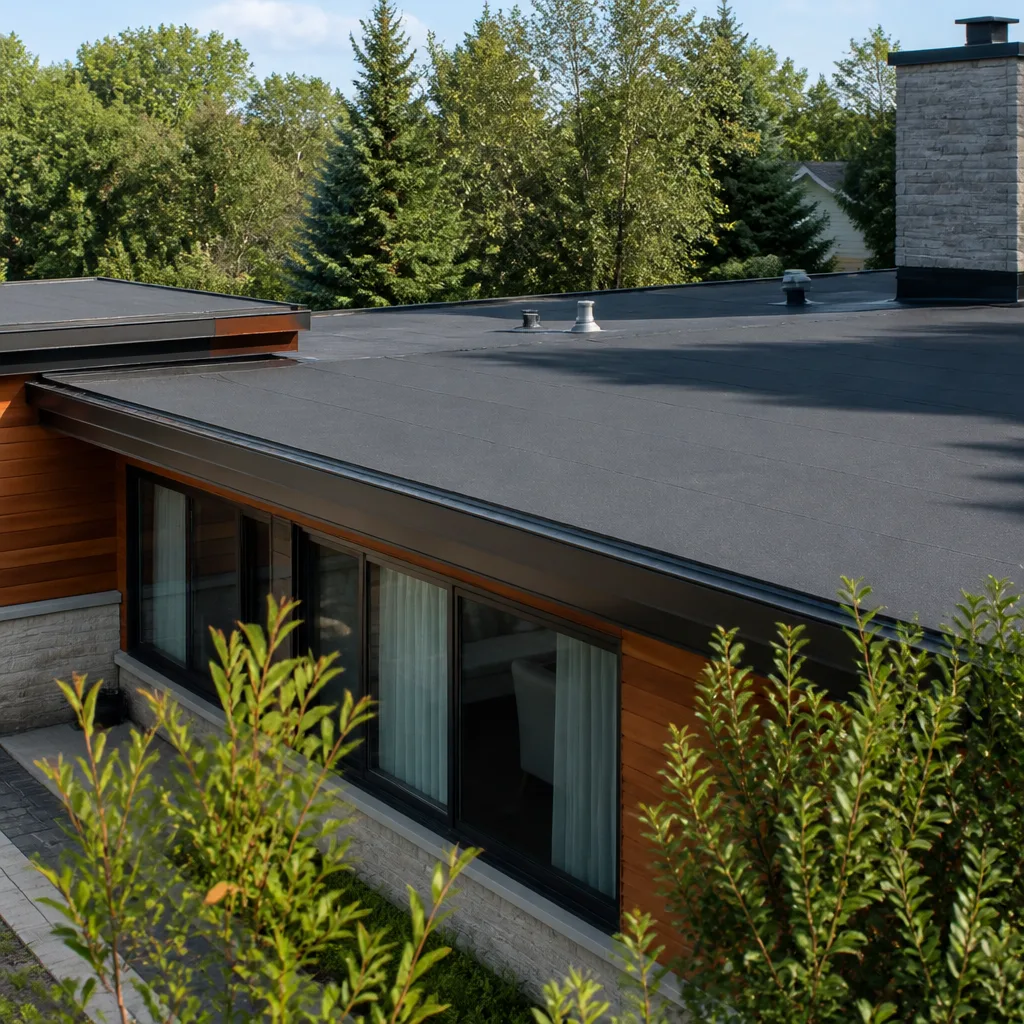 Flat & low-slope
Free roof inspection with deck photos before we talk money - GAF and Owens Corning certified installation
DIY vs Professional Roofing: The Rialto Homeowner’s Decision Guide
Most roofing guides talk about skill. Can you swing a hammer? Can you climb a ladder? Here’s the thing nobody mentions: in Rialto, a homeowner who replaces their own roof without a permit doesn’t just risk a code violation. They risk having their homeowner’s insurance policy voided if a subsequent water damage claim triggers an inspection of unpermitted work. That’s not a worst-case scenario. That’s how California insurance underwriters operate. This guide walks you through the parts of roofing you can legally and safely do yourself, the parts you absolutely shouldn’t, and what every option really costs in Rialto once permits, warranties, and liability are on the table.
Styles & brands we work with
Quick Answer
For anything beyond gutter cleaning, minor flashing re-sealing, and attic vent clearing, hiring a licensed professional in Rialto is the safer financial decision; see our How to Hire a Roofing Contractor in Rialto: A Step-by-Step Guide for what to look for. California permit law, manufacturer warranty terms, and insurance liability exposure mean DIY roofing carries hidden costs that typically exceed what a contractor charges, especially when a 30-year material warranty is on the line.
Table of Contents
- What California Law Actually Says About DIY Roofing
- The Manufacturer Warranty Problem Nobody Talks About
- The Real Cost Comparison: DIY vs Professional in Rialto
- Rialto-Specific Conditions That Make DIY Roofing Riskier
- The Narrow Category of Genuine DIY Wins
- From Inspection to Replacement: One Roof, One Company
- Common Mistakes to Avoid
- When to Call a Professional
- Frequently Asked Questions
- The Bottom Line
What California Law Actually Says About DIY Roofing
California is one of the strictest states in the country when it comes to construction permits. Under the California Business and Professions Code, unlicensed individuals cannot perform work valued at $500 or more, including materials and labor. A full roof replacement on even a modest Rialto home will exceed that threshold in materials alone. But there’s a carve-out: a homeowner who owns and occupies the property as their primary residence can work on their own home without a contractor’s license. What they cannot skip is the permit.
The City of Rialto requires building permits for roof replacements and for structural repairs. You can re-seal flashing, clear your gutters, and replace a single damaged shingle without pulling a permit. But once you’re removing the existing roof’s field material, you need approval. The permit triggers inspections at specific points in the process, including when the underlayment is in place and before the final covering goes on. Missing those inspections means the work is unpermitted, full stop.
What homeowners often miss is that Rialto’s enforcement arm can act on unpermitted work even years later. If you go to sell the property, a diligent buyer’s inspector can flag the roof, and suddenly the unpermitted work is a negotiation liability. You might be looking at a price reduction bigger than the cost of hiring a licensed contractor in the first place.
The permit isn’t just red tape. It exists because roofing failures cause property damage, mold, and in worst cases, structural collapse. Rialto’s building department is trying to make sure the roof over your family’s head doesn’t fail prematurely. That’s why they send an inspector to look at what’s under the pretty shingles before the shingles go on.
The line is easier to see if you look at it this way: if what you’re doing changes the roof’s weatherproofing envelope, you need a permit. If you’re maintaining something that’s already there, you don’t. Replacing one cracked tile is maintenance. Replacing a 20-square section of underlayment is not.
The Manufacturer Warranty Problem Nobody Talks About
A 30-year shingle warranty sounds like a promise that you’re set for three decades. It’s not. When you read GAF’s, CertainTeed’s, or Owens Corning’s warranty terms, you’ll find language that says the warranty applies only when the product is installed by a contractor certified through that manufacturer’s program. Self-installation voids the material warranty in nearly every case, reducing a 30-year product warranty to essentially nothing but a receipt for the shingles.
Here’s what that means in concrete terms. If a homeowner buys 30-year architectural shingles from a supply yard in Rialto and installs them in a weekend, then a manufacturer defect causes granule loss three years later, they have no recourse. The manufacturer will point to the installation certification requirement, and the claim is denied. That homeowner is now paying for materials a second time, plus the labor to redo the work.
Ridgeway Roof Repair is certified to install across seven major roofing manufacturers, giving homeowners access to material recommendations across competitive lines rather than a single product push. That matters because the warranty is only as good as the installer’s standing with the manufacturer. Choosing between a Roof Replacement in San Bernardino and one in Rialto isn’t just about geography; it’s about whether the installer can actually register the warranty at all.
Some manufacturers offer a separate labor-and-materials warranty that extends the coverage window. Those extended warranties are exclusively available through certified contractors. A DIY installer is, by definition, outside that system. The warranty problem isn’t a small footnote. It’s the difference between the manufacturer standing behind the product and the manufacturer pointing out that the product was never properly installed in their eyes.
When you compare material costs, if you’re not factoring in the warranty’s value, you’re not comparing the same product. A shingle with a live warranty and a shingle with a voided warranty are two different things. One is a protected asset. The other is a liability you installed yourself.
The Real Cost Comparison: DIY vs Professional in Rialto
DIY roofing looks cheaper on paper. It usually isn’t once you account for everything the professional quote already includes. Here’s a line-item comparison for a typical 1,500-square-foot single-story Rialto home needing a full replacement with architectural shingles.
DIY Estimate:
- Materials (shingles, underlayment, nails, ridge cap, flashing): $3,800 to $5,200
- Dumpster rental for old roofing removal: $450 to $650
- Tool rental or purchase (nail gun, roofing ladder, harness, roof brackets): $300 to $700
- Permit fee through City of Rialto: $200 to $500 depending on scope
- Disposal fees beyond dumpster: $100 to $300
- Total: roughly $4,850 to $7,350
Professional Estimate (Rialto market rate, 2025):
- Full replacement, architectural shingles, including materials, labor, permit, and disposal: $9,000 to $15,000, varying by roof pitch, tear-off layers, and decking condition
That gap of several thousand dollars is what drives the DIY temptation. But now add the risk factors the DIY total doesn’t include. If a homeowner is injured on their own roof, their health insurance may treat the injury as outside coverage depending on the policy’s exclusions for high-risk activities. The cost of an ER visit at Arrowhead Regional Medical Center in nearby Colton, even with insurance, can be thousands. If the roof leaks during the project’s weeks-long timeline, the mold remediation and interior repair cost isn’t in the DIY number either.
The contractor quote has insurance baked in. That means workers’ compensation for the crew and general liability for your home. If a Ridgeway Roof Repair crew member gets injured on your roof, that’s covered. If a DIY helper gets hurt, that’s potentially your homeowners’ liability and a lifelong relationship strain.
The honest comparison is this: the upfront dollar difference is real, usually $4,000 to $7,000, but it’s the cost of transferring risk to someone else. That transfer includes the permit, the inspections, the warranty, and the insurance. When you look at it that way, the professional quote isn’t expensive. It’s the cost of making the roof’s future someone else’s problem if something goes wrong.
Rialto-Specific Conditions That Make DIY Roofing Riskier
Rialto summers routinely hit triple digits. Asphalt shingles can reach 160 degrees Fahrenheit on a 100-degree day, which makes the granules soften and the surface slick, like seal-coating on a sloped driveway. Doing roof work in that heat means dehydration becomes a genuine structural threat to safety, and a slip on hot granules is a fast way to the emergency room. Professional crews in Rialto work early mornings and manage heat breaks. A motivated weekend DIYer often pushes through midday to finish before Monday and makes mistakes heat causes.
Roof pitch compounds the danger. Many Rialto homes in the older neighborhoods near Rialto Avenue and the newer tracts around the 210 corridor have roof pitches ranging from 4:12 to 6:12, and some have tile roofs that are heavy and brittle to walk on. Tile adds a weight factor. A clay tile that comes loose during repair can fall and injure someone below. Working with tile safely requires experience knowing which tiles can be walked on and which will crack under foot pressure.
Rialto’s climate also produces a specific wear pattern. The dry heat and Santa Ana winds accelerate sealant degradation and cause thermal expansion and contraction that loosens flashing over time. In our experience covering the Inland Empire, we regularly see homes in the Las Colinas and Renaissance neighborhoods with chimney flashing failures after five to eight years, not the fifteen some manufacturers expect. That means Rialto roofs often need repair sooner than homeowners plan for, and the first repair is not the place to learn roof work—check our Roof Repair Troubleshooting: Common Problems and How to Fix Them to understand what pros look for.
There’s also the Santa Ana wind pattern to consider. A homeowner who tears off a section of roof on a Saturday and leaves it under tarp overnight can wake up Sunday to a Santa Ana gust that has stripped the tarp and let overnight condensation onto the decking. A professional crew stages material and covers the exposed roof in a way that survives the gusts, because they’re expecting them.
The physical danger is real, but the timing and climate danger matters more than most people realize. Rialto doesn’t have a long temperate season for roof work. You’re either in blistering heat or surprise rain. Working around that calendar is part of what a contractor manages.
The Narrow Category of Genuine DIY Wins
There are three maintenance tasks where DIY makes financial sense in Rialto, because the professional cost is mostly the trip charge and the labor is simple enough to do correctly with basic tools; our Roof Repair Maintenance Checklist for Rialto Homeowners walks you through them.
- Gutter cleaning and maintenance. Clogged gutters cause water to back up under the shingles and rot the fascia. Cleaning them twice a year costs nothing beyond a ladder and gloves. Re-securing a loose gutter bracket is similarly straightforward. The professional cost of gutter cleaning in Rialto is probably $150 to $300 per visit, which is money you can keep.
- Minor flashing re-sealing. If you can see a small gap at a pipe boot or where a chimney meets the roof, and you can access it safely from a ladder without getting onto the roof itself, applying a quality roofing sealant is within DIY range. The key is using the right product. Silicone and roofing cement are not the same thing, and silicone on asphalt can damage the shingles.
- Attic vent clearing. Ridge vents and soffit vents can get blocked by dust, bird nests, and in Rialto’s windy conditions, windblown debris. Checking from the attic interior and clearing the blockage is safe and genuinely useful. Functioning attic ventilation extends shingle life by reducing heat buildup under the roof deck.
Those three tasks account for maybe 5% of what a roof needs over its lifetime. The rest of roofing, meaning anything involving removing field shingles or tiles, working on underlayment, replacing decking, or modifying flashing at eaves and valleys, is not a DIY win. The professional cost isn’t avoidable; it’s the price of doing the job once and having it last.
If you’re unsure whether a small repair is in the maintenance category or the structural category, a roof inspection is a cheaper answer than guessing wrong. Inspections are designed to produce honest, actionable findings, not estimates dressed as assessments. That’s the whole point of a Roof Inspection in San Bernardino and the same applies across the Inland Empire.
From Inspection to Replacement: One Roof, One Company
One of the most undersold advantages of a roofing-only contractor is continuity. When the same company that performed the inspection is the company that does the repair, there’s no gap between the person who saw the problem and the person who fixes it. That’s not just convenient; it’s a quality control mechanism. A general contractor who subs out roofing loses information in the handoff.
Ridgeway Roof Repair is a roofing-only contractor offering three core services: Roof Inspection, Roof Repair, and Roof Replacement. The technician who documents that a chimney flashing is failing during an inspection can communicate exactly what’s needed, because roofing is the entire scope of the company. There’s no plumbing, no siding, no handyman work competing for attention. That focus means every conversation is about the roof.
For homeowners weighing DIY against professional repair, this continuity is worth considering. If you inspect your own roof, find a problem, and try to fix it yourself, you’re the only person responsible if the fix fails. When a single roofing company takes you from Roof Repair in San Bernardino types of work to a full replacement down the road, the accountability stays in one place. One company, one call, one point of contact.
That accountability matters in Rialto’s specific market. The building department wants to see consistent work from a licensed contractor. The manufacturer wants a certified installer for warranty registration. The homeowner wants a straight answer when something goes wrong. Those three incentives line up with a roofing specialist, not with a DIY weekend project.
Ridgeway Roof Repair home is where you can get the full picture of what a roofing-only company covers. Not a generalist. Not a handyman. Just roofing, from the first inspection to the last shingle.
Common Mistakes to Avoid
- Skipping the permit. In Rialto, any roof work beyond basic maintenance requires a permit. Skipping it means unpermitted work on the property records, which becomes a sale-time problem and a potential insurance refusal.
- Buying materials before understanding warranty requirements. Homeowners often buy shingles from a supply yard thinking the manufacturer’s warranty applies automatically. It doesn’t. Self-installation voids most 30-year product warranties in practice.
- Underestimating the tear-off labor. Removing an old roof in Rialto’s heat is physically brutal work. What takes a professional crew one day can take a homeowner several weekends, and every extra day the roof is exposed is another chance for weather damage.
- Assuming all flashing problems are visible. The most damaging flashing failures are often hidden under the shingles at valleys and eaves. A homeowner checking from the ground or a ladder can easily miss what a roofer sees during an inspection.
- Working alone. Roof work with no spotter is a risk multiplier. If a homeowner falls, there’s no one to call for help. Professional crews work in pairs at minimum for exactly this reason.
- Reusing old flashing to save money. Flashing is cheap compared to the damage it prevents. DIYers often try to reuse existing flashing, which is a false economy. New flashing, properly installed, is pennies on the dollar compared to interior water damage.
When to Call a Professional
Call a professional when the work involves removing field shingles or tiles, replacing underlayment, repairing decking, modifying valleys or eaves, or addressing any structural issue. Call a professional if your roof is steep enough that walking it feels unsafe, which is most Rialto homes with tile roofs. Call a professional if the repair affects the roof’s weatherproofing envelope and would, under Rialto code, require a permit. And call a professional if you’ve discovered water staining on the ceiling, because by the time it shows inside, the roof has likely been leaking for a while. Ridgeway Roof Repair offers free estimates in Rialto, call (877) 588-7942.
Frequently Asked Questions
Yes, a homeowner who owns and occupies the property as their primary residence can perform their own roof work without a contractor’s license, provided the work is properly permitted through the City of Rialto and passes inspections. The permit requirement applies regardless of who does the labor.
Yes, in nearly all cases. Major manufacturers including GAF, CertainTeed, and Owens Corning require installation by a certified contractor for the material warranty to remain valid. Self-installation typically voids the warranty, leaving the homeowner with no recourse for manufacturer defects.
Gutter cleaning, minor flashing re-sealing from a ladder, and attic vent clearing are the three tasks where DIY makes financial and practical sense. Anything involving removing shingles or tiles, working on underlayment, or modifying roof flashing should be left to professionals.
A full replacement on a typical 1,500-square-foot single-story Rialto home runs $9,000 to $15,000 for architectural shingles, including materials, labor, permit, and disposal. Roof pitch, tear-off layers, and decking condition move that number up or down.
Structural repairs and full replacements require a permit through the City of Rialto. Minor maintenance, like replacing a single damaged shingle or re-sealing flashing, does not. The distinction is whether the work changes the roof’s weatherproofing envelope.
If a water damage claim triggers an inspection and the insurer finds unpermitted roof work, the claim can be denied and the policy can be voided. This is a known underwriting practice in California, not a hypothetical risk. Call (877) 588-7942 to get a free estimate and keep the work fully permitted.
The Bottom Line
DIY roofing in Rialto isn’t a skill question. It’s a legal, warranty, insurance, and physical safety question, and the honest answer to all four is that professional installation is the financially rational choice. The permit protects the home’s insurability. The certified installation protects the manufacturer’s warranty. The crew’s insurance protects your liability exposure. And the Rialto-specific realities of triple-digit heat, Santa Ana winds, and steep tile roofs make weekend roofing genuinely dangerous. The three maintenance tasks worth doing yourself are gutter upkeep, minor flashing sealing, and vent clearing. Everything else belongs with a roofing specialist. If you’re weighing the decision, the smartest first step is a structured inspection that tells you what your roof actually needs, and our more guides & resources can help you plan next steps. Written by the team at Ridgeway Roof Repair, serving Rialto since 2018.
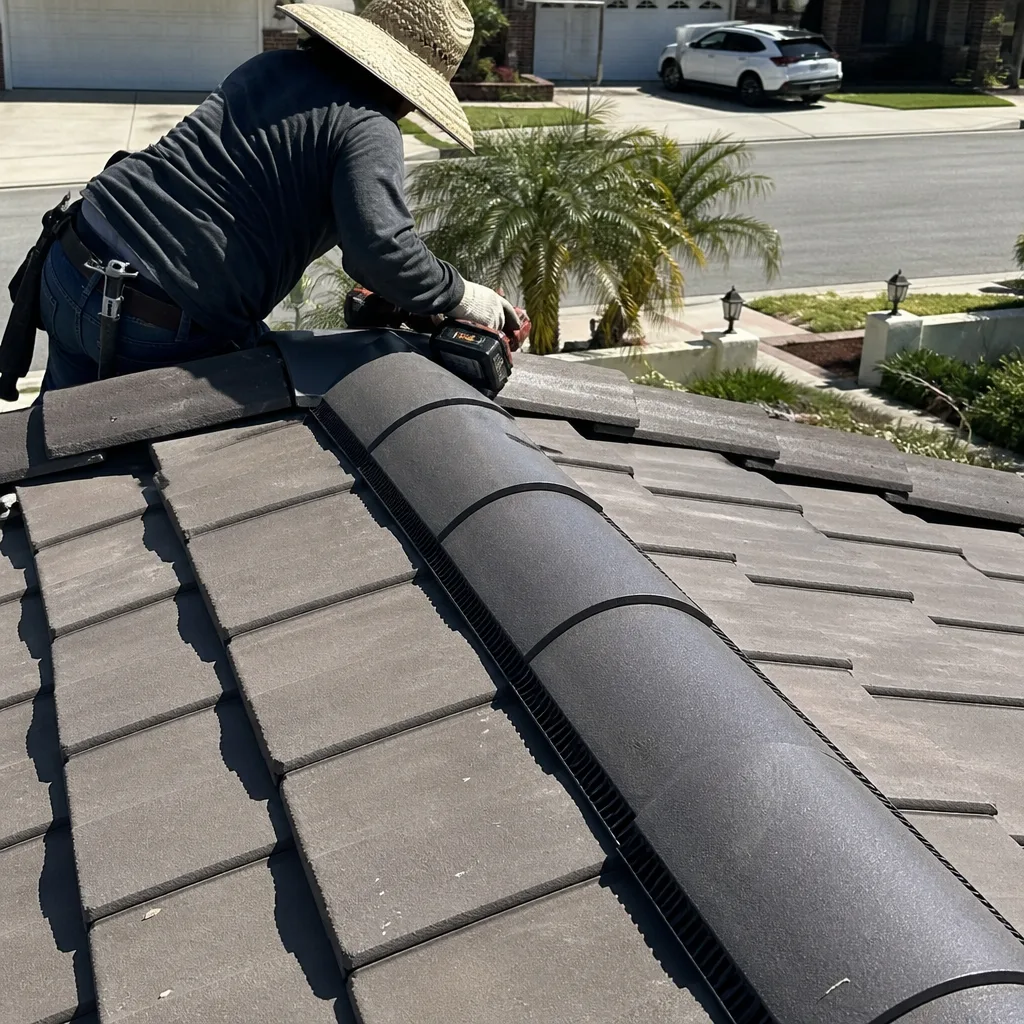
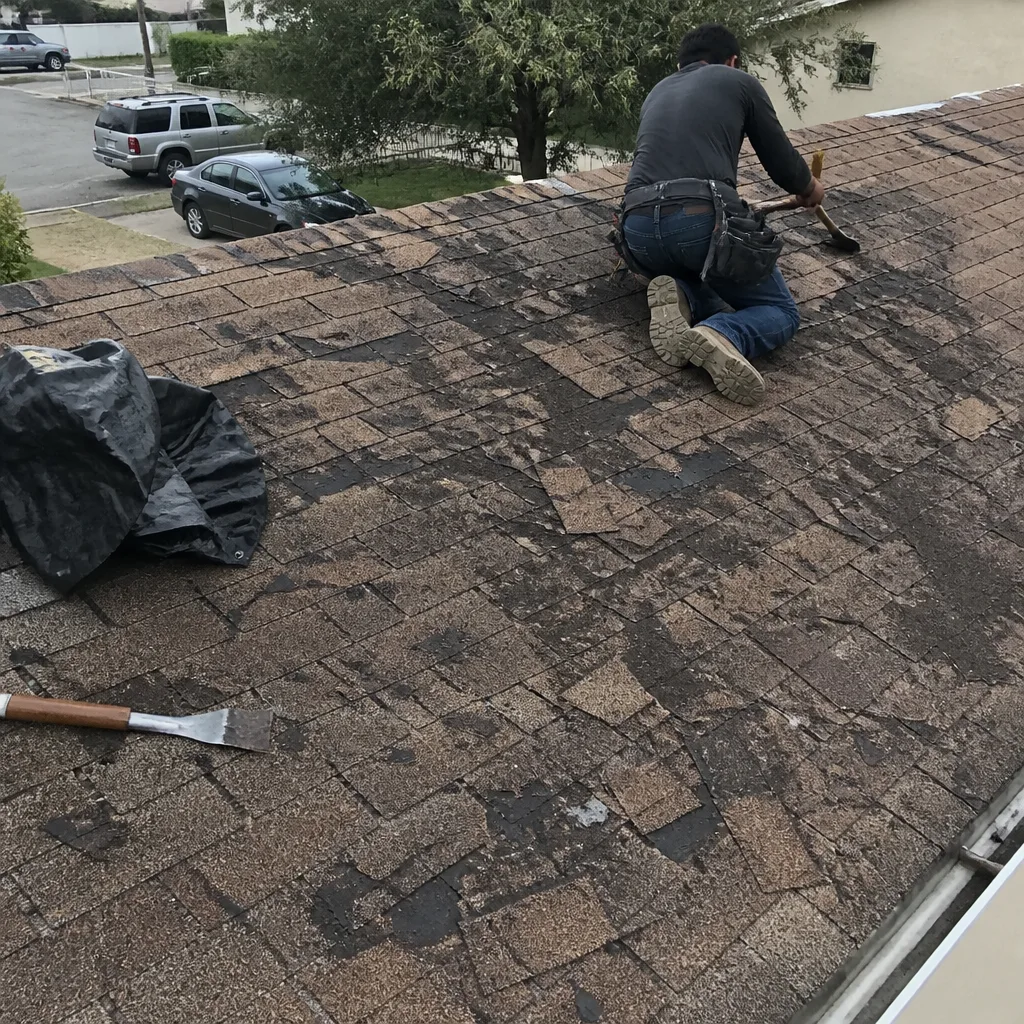
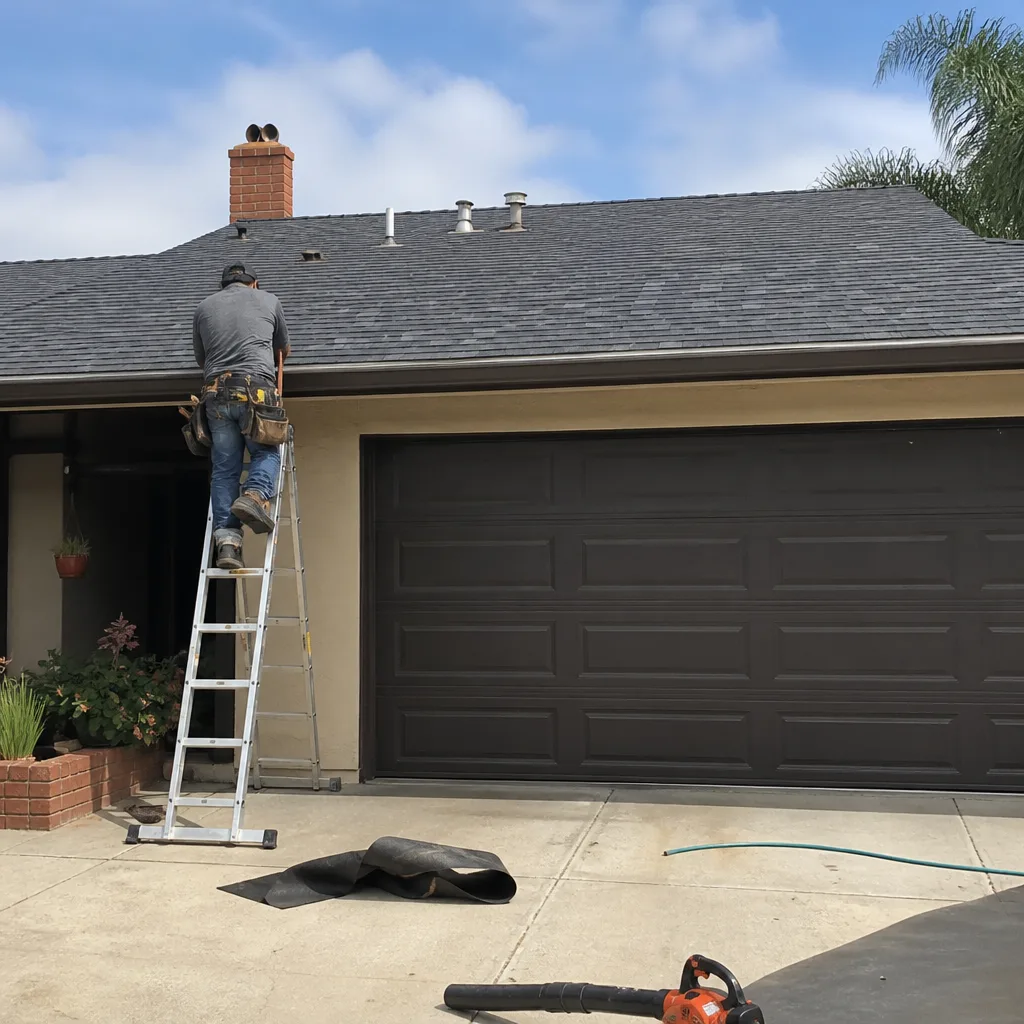
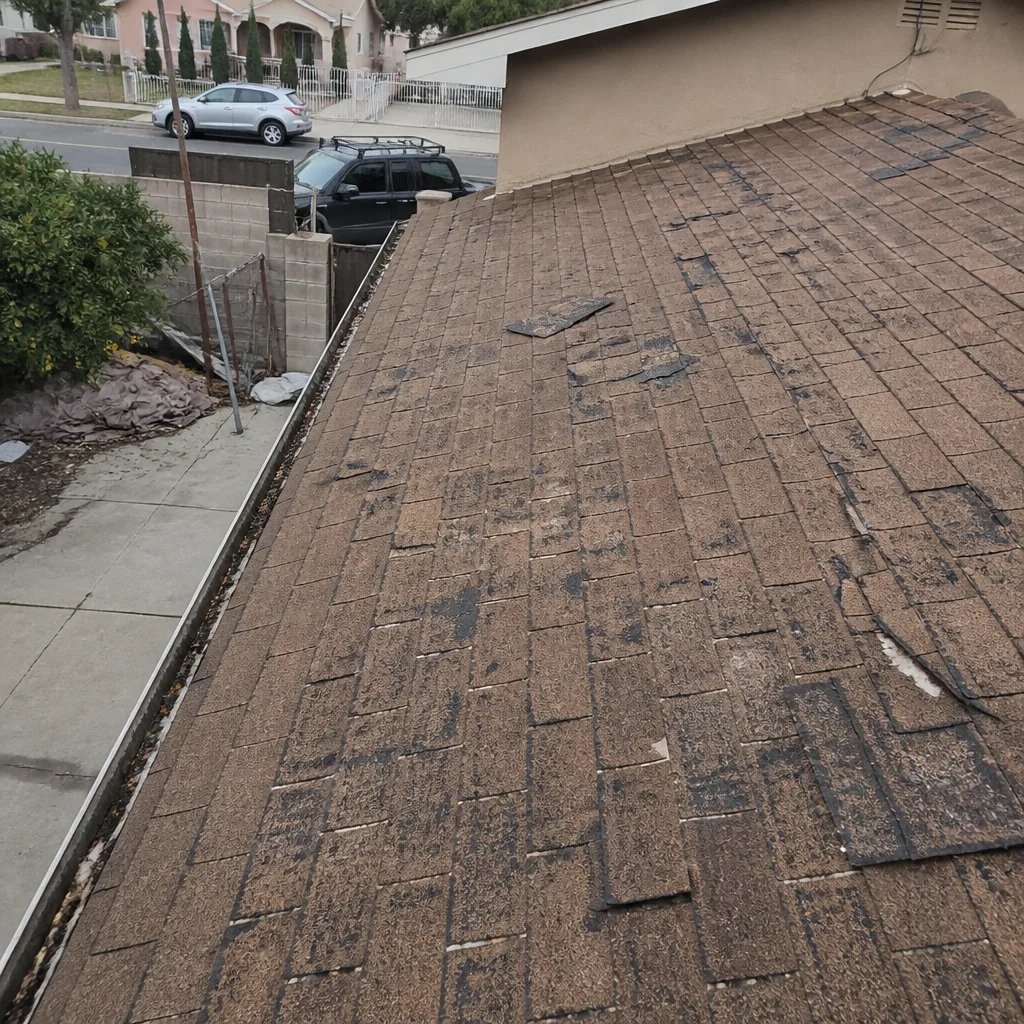
See the difference
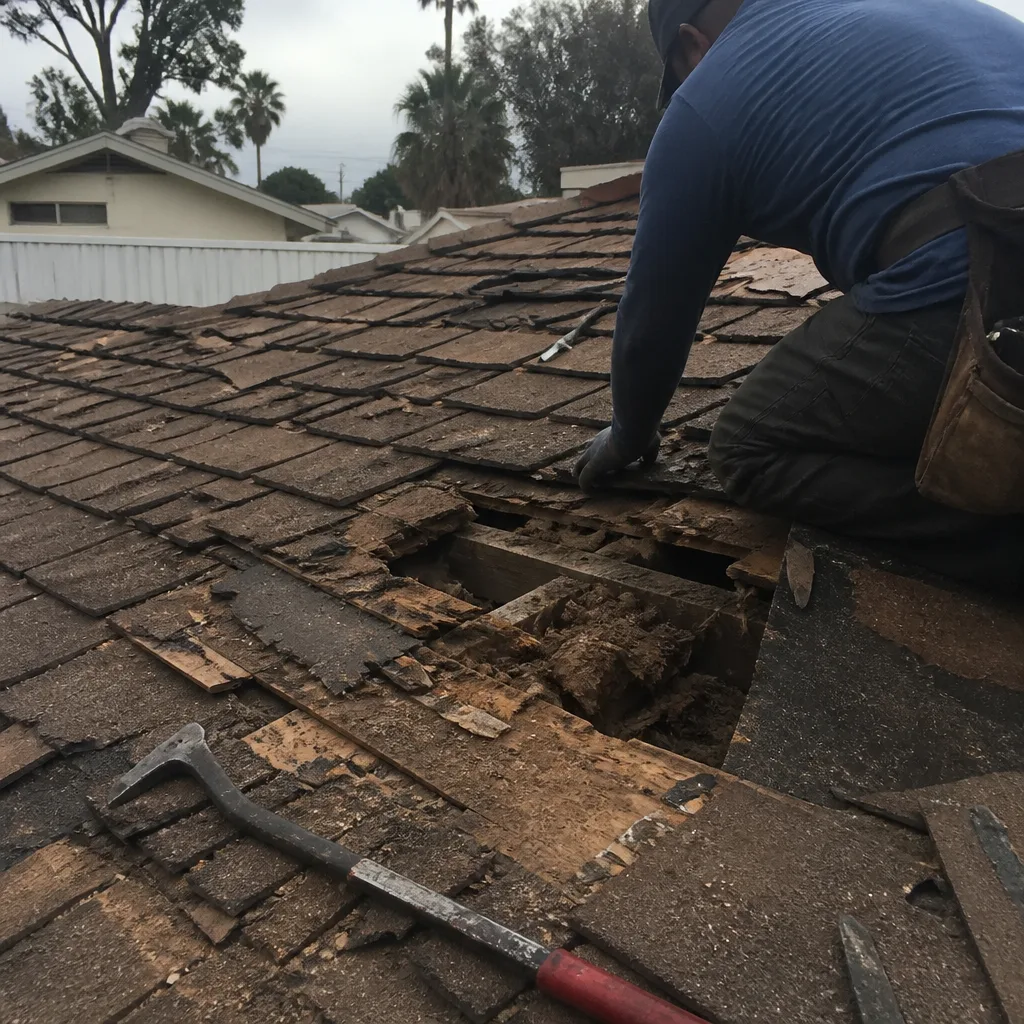 Before
 After
 Before
 After
 Before
 After