Last updated October 31, 2026
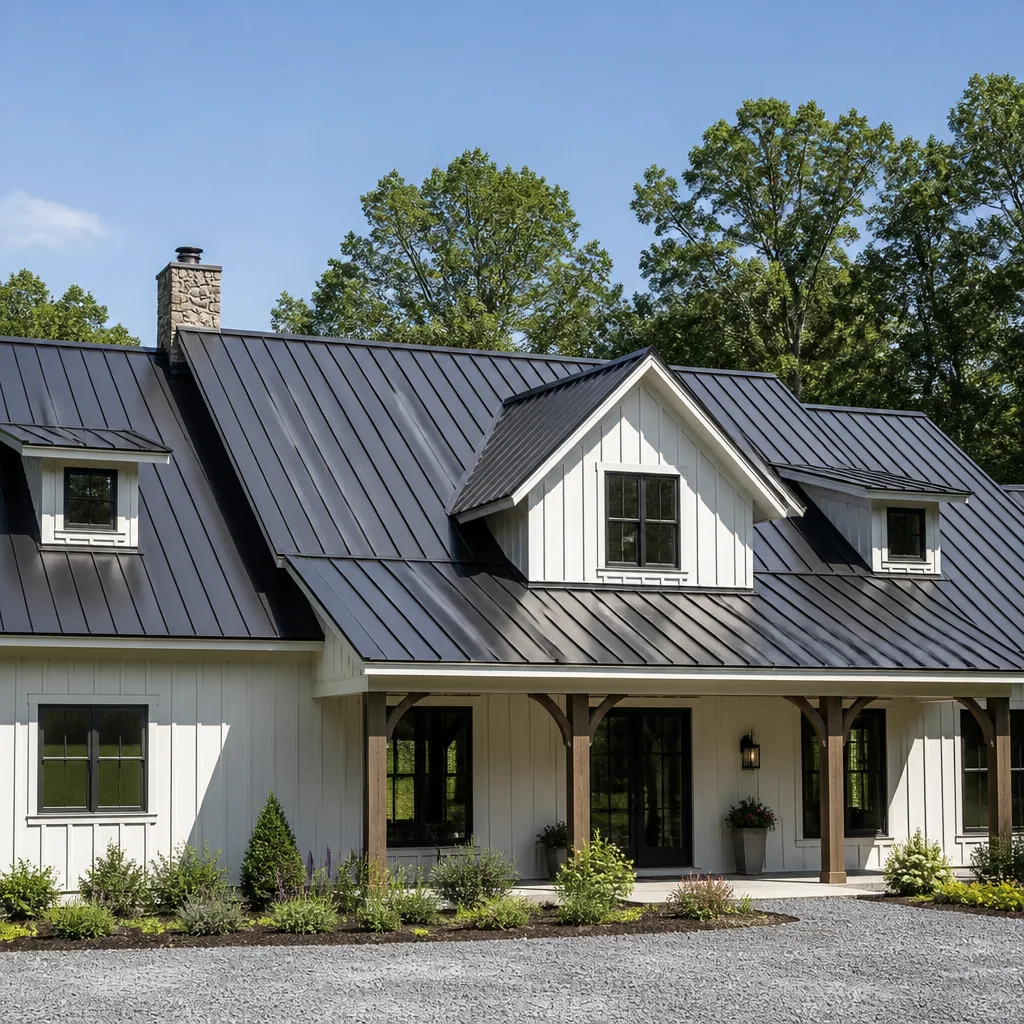 Metal roofing
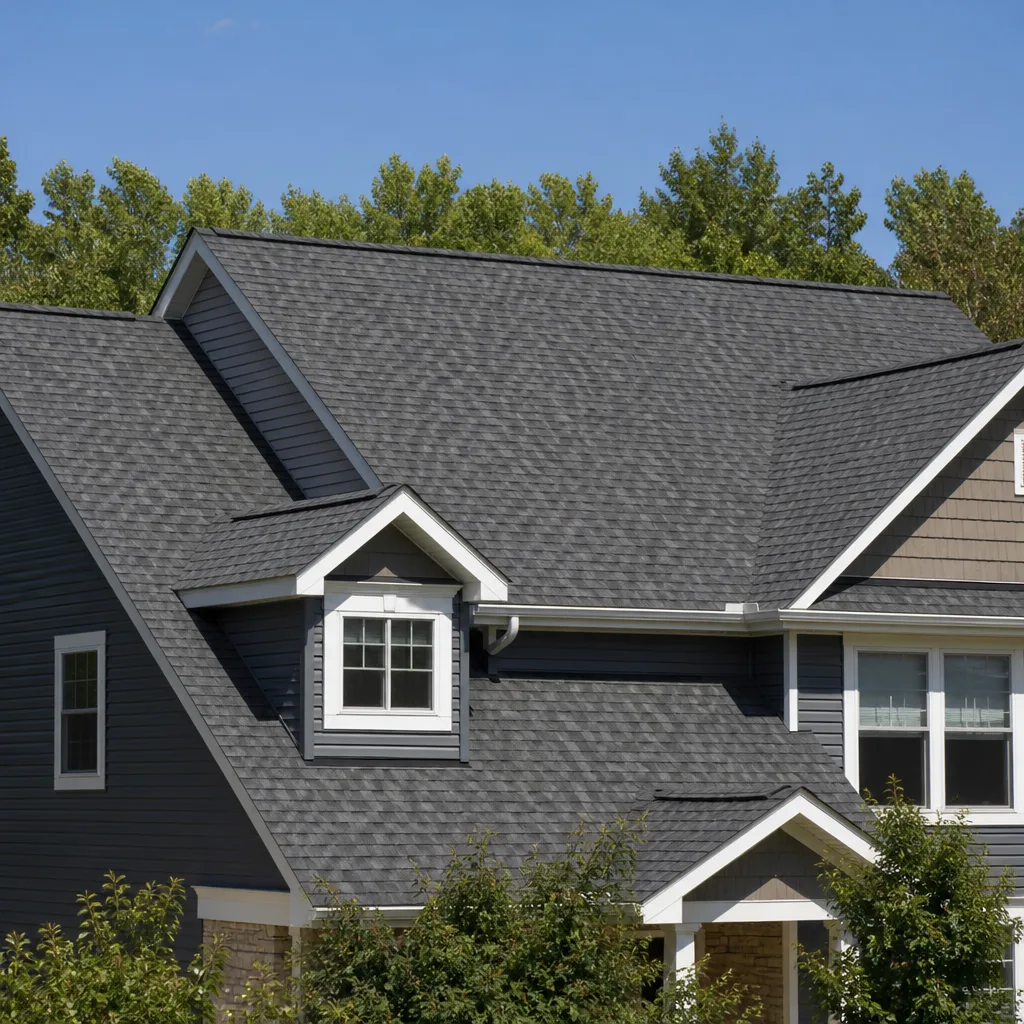
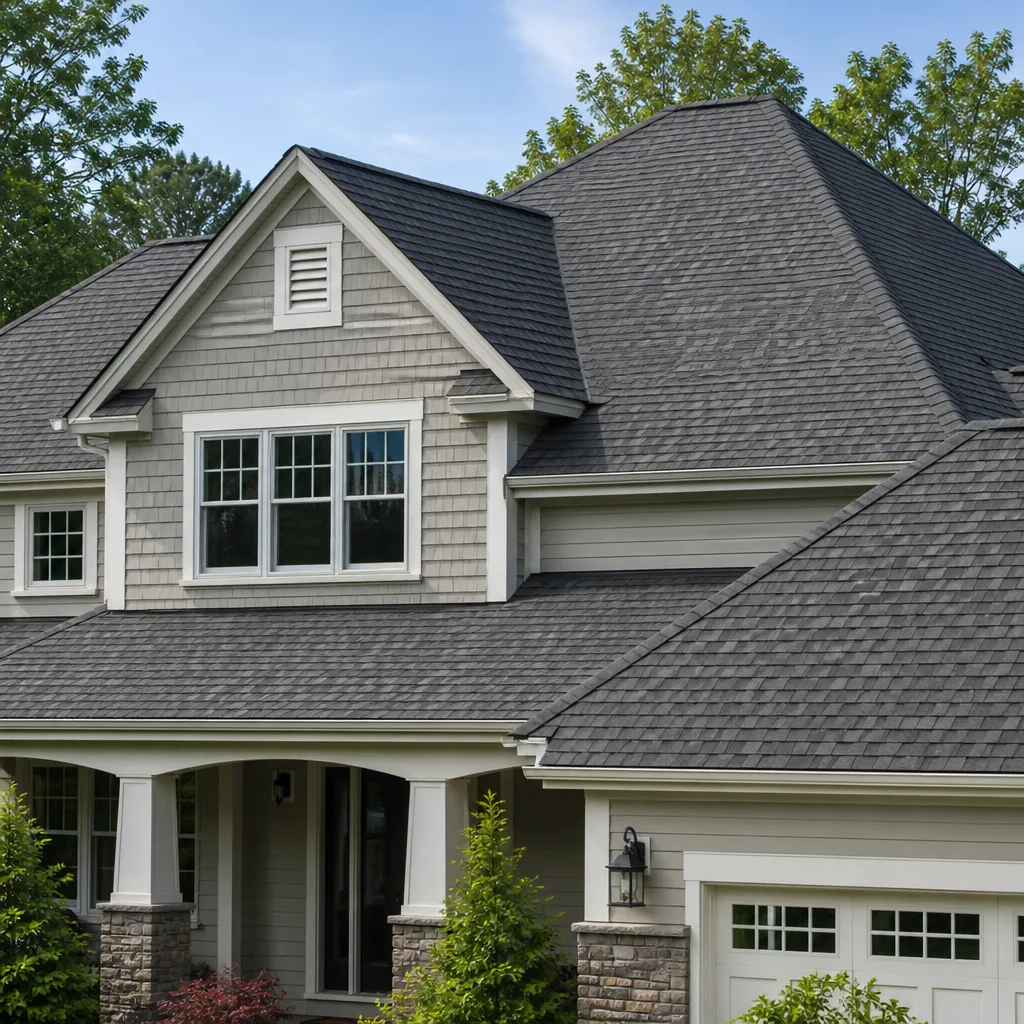 Architectural shingles
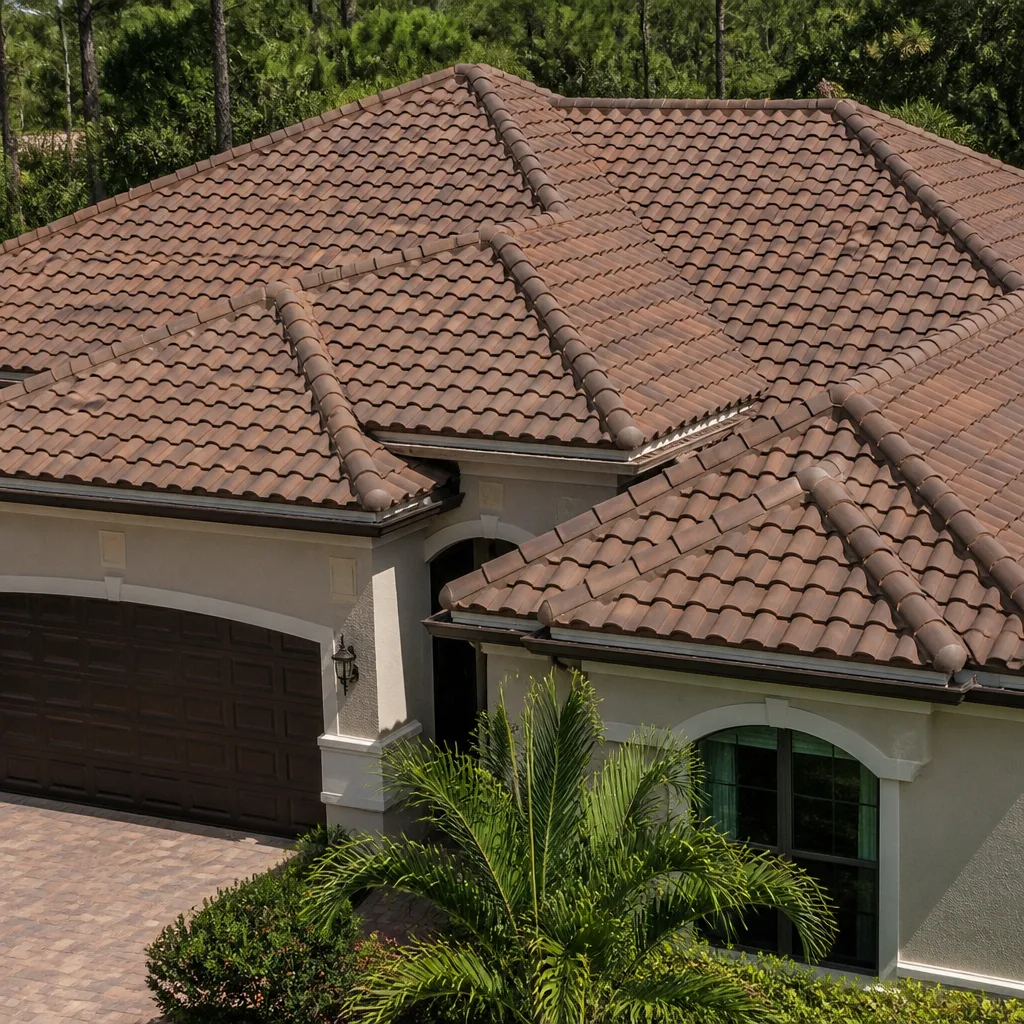 Tile roofing
 GAF
 Owens Corning
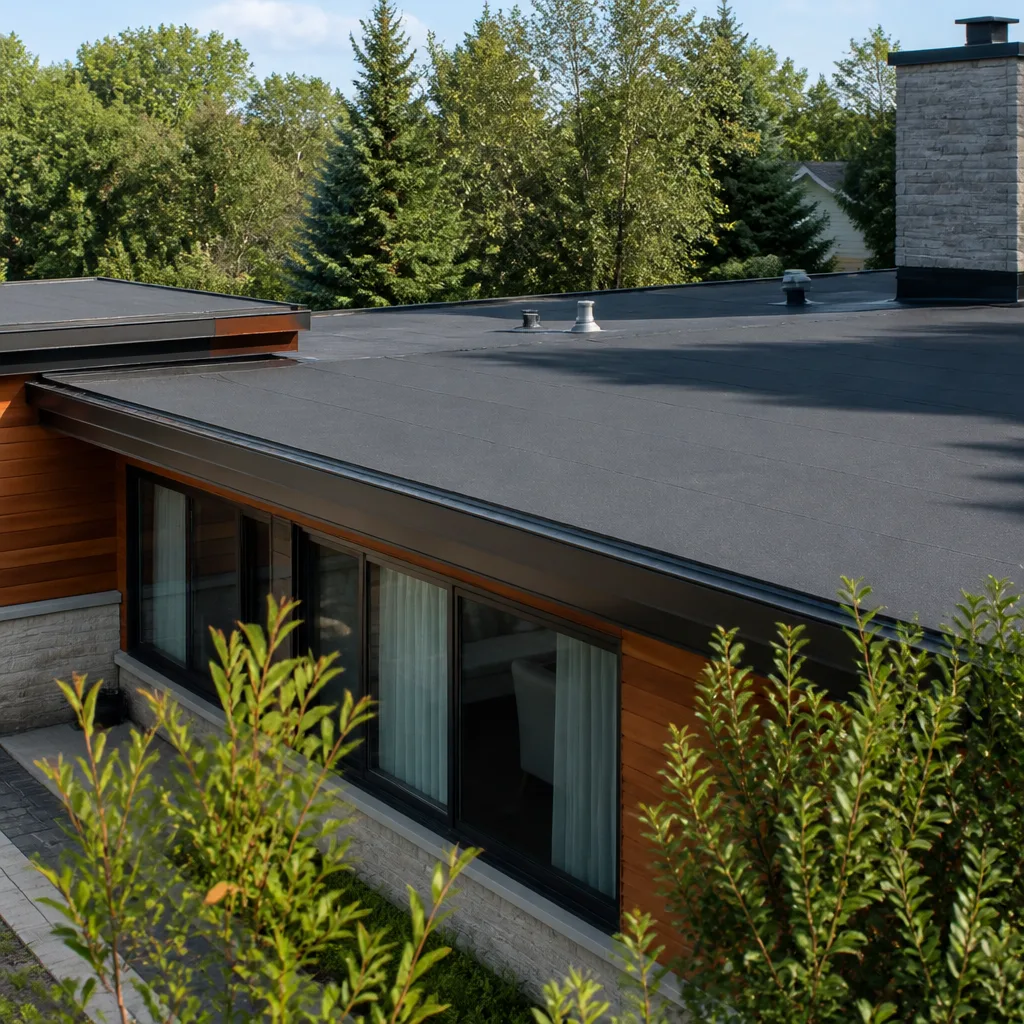 Flat & low-slope
Free roof inspection with deck photos before we talk money - GAF and Owens Corning certified installation
How to Hire a Roofing Contractor in Rialto: A Step-by-Step Guide
California’s Contractors State License Board lists over 280,000 licensed contractors. Fewer than 12% hold a C-39 roofing specialty license. That gap matters more than most Rialto homeowners realize, because a general contractor with a B license can legally take your roofing job, even if they haven’t touched a shingle since trade school. The hiring mistake we see most often isn’t checking a license, it’s never asking whether the person quoting the job actually specializes in roofing. This guide walks through exactly how to evaluate contractors, verify credentials, read a quote, and avoid the traps specific to Rialto’s market. For Roof Repair Troubleshooting: Common Problems and How to Fix Them, see our dedicated resource.
Styles & brands we work with
Quick Answer
To hire a roofing contractor in Rialto, verify they hold an active C-39 roofing license with the California Contractors State License Board, confirm they carry general liability and workers’ compensation insurance, get at least three written quotes that include permit fees and disposal, and check whether the contractor specializes exclusively in roofing rather than treating it as one service among many. A legitimate Rialto roofing quote will specify material brands, deck inspection scope, and warranty terms in writing before work begins.
Table of Contents
- Step 1: Verify the C-39 License, Not Just Any License
- Step 2: Confirm Insurance With the Right Documents
- Step 3: Find a Roofing Specialist, Not a Generalist Filling a Slow Week
- Step 4: Ask the Five Questions That Expose a Generalist
- Step 5: Read a Rialto Roofing Quote Like an Auditor
- Step 6: Separate Workmanship Warranty From Manufacturer Warranty
- Step 7: Spot Post-Storm Canvassing Red Flags in Rialto
- Common Mistakes to Avoid
- When to Call a Professional
- Frequently Asked Questions
- The Bottom Line
Step 1: Verify the C-39 License, Not Just Any License
A C-39 license means the holder passed a trade exam specifically covering roofing systems, materials, and installation standards. A B general building license means the holder passed an exam covering framing, scheduling, and project management. Both are real licenses. Only one proves roofing knowledge. In Rialto, where summer temperatures routinely exceed 100 degrees and asphalt shingles take a beating from UV exposure, that distinction matters more than in coastal areas where mild weather forgives installation shortcuts.
The verification process takes three minutes. Visit the California Contractors State License Board website, search the contractor’s business name or license number, and confirm three things:
- The license classification is C-39. If it says B, the contractor can legally roof, but they haven’t proven roofing-specific competence to the state.
- The license status is active, not expired or suspended. Suspensions happen more often than homeowners expect, especially with contractors who cut corners on workers’ compensation.
- The business name on the license matches the name on the quote. A contractor quoting under one name while licensed under another is a red flag that usually means the licensed holder is renting their number to an unlicensed crew.
Rialto falls under San Bernardino County building jurisdiction, which means permits go through county offices unless the city has its own arrangement for specific re-roofing projects. Any contractor proposing to skip permits is asking you to absorb legal and resale risk. A specialist who does roof replacement in San Bernardino County regularly will know exactly when the permit is required and will include that line item without being asked.
Step 2: Confirm Insurance With the Right Documents
Every contractor says they’re insured. Most can’t produce the certificates when you ask. The difference matters because if an uninsured worker falls off your Rialto roof, your homeowner’s policy becomes the target. We tell every homeowner to request two documents directly from the contractor’s insurance carrier, not a photocopy from the contractor’s truck.
First is a certificate of general liability insurance with a minimum of $1 million in coverage. Second is a certificate of workers’ compensation insurance. In California, workers’ comp is legally required for any contractor with employees, but sole proprietors can opt out. A roofing contractor without workers’ comp means any injured worker can sue you personally. The certificate should list the policy number, coverage dates, and naming the contractor’s exact business entity.
Ask a third question that catches people off guard: call the insurance agency listed on the certificate and confirm the policy is current. It’s a two-minute call. Contractors who let policies lapse rarely volunteer that information, and a certificate from a lapsed policy is worthless when a claim lands.
For a deeper look at how we approach the investigative side of roofing, see our roof inspection service page, which explains what a structured assessment actually covers.
Step 3: Find a Roofing Specialist, Not a Generalist Filling a Slow Week
Here’s the scenario we see repeated across Rialto neighborhoods from Las Colinas to the older post-war tract homes near downtown. A homeowner calls a general contractor for a bathroom remodel. During the walkthrough, the contractor notices the roof and mentions they can “take care of that too.” The quote comes back lower than specialists because the generalist doesn’t have the material relationships, the trained crew, or the roofing-specific liability insurance that a dedicated roofer carries. The work gets done between bigger jobs. Six months later, a leak appears, and the generalist is three weeks out on a kitchen remodel.
Roofing is a trade with its own science: ventilation calculations, underlayment specifications, flashing details around penetrations, fastener patterns rated for specific wind zones. A contractor who splits attention between plumbing, siding, and roofing can’t maintain current knowledge across all of them. We only do roofing. Every inspection, every repair, every replacement. That focus means we walk onto a Rialto roof already knowing what the Santa Ana winds do to ridge caps in the fall and what the summer sun does to flashing sealant in July.
The specialization principle extends to materials. A roofing-only contractor can work across multiple manufacturers without favoring one. General contractors often stock a single brand because it’s what their supply house carries and what their crew knows. We work with GAF, CertainTeed, Owens Corning, IKO, and several others because the right material for a Rialto roof depends on pitch, exposure, and the homeowner’s timeline, not on what happens to be in the warehouse that week. Seven brands. One recommendation. Yours.
Step 4: Ask the Five Questions That Expose a Generalist
We’ve watched Rialto homeowners interview contractors, and the questions usually center on price and timeline. Those matter, but they don’t reveal specialization. These five do.
Question 1: “Which roofing manufacturers are you certified with?”
A roofing specialist can name their manufacturer certifications immediately. GAF Master Elite, CertainTeed SELECT Shingler, Owens Corning Preferred Contractor, IKO ROOFPRO. These aren’t marketing badges. They require documented training, regular recertification, and a track record the manufacturer audits. A generalist usually pauses here because they aren’t certified with anyone.
Question 2: “How many roofing projects did you complete last year?”
A dedicated roofing contractor in the Rialto market might complete 40 to 80 roofing jobs in a year. A generalist might do four. The number matters because specialization compounds. Every roof teaches something about how materials perform in the local climate, and a contractor doing dozens of Rialto roofs annually carries that cumulative knowledge to your job.
Question 3: “When was the last time your crew attended manufacturer training?”
Roofing materials and installation standards change. Manufacturer training happens annually or bi-annually. A specialist can point to a date. A generalist will say something vague about “on-the-job experience.”
Question 4: “How do you handle deck inspection during a re-roof?”
This is the question that splits specialists from everyone else. A real roofer says the deck gets inspected after tear-off, before underlayment goes down, and any compromised sheathing gets replaced with a written change order before proceeding. A generalist often looks confused because they quoted the job without factoring in a potential deck problem.
Question 5: “What’s your process if a hidden issue emerges mid-project?”
A specialist has a defined protocol: photo documentation, written change order, homeowner approval before additional work. A generalist will work it out on the fly, which usually means the homeowner finds out about extra charges at the end. For more on how replacements are scoped, see Roof Replacement in San Bernardino.
Step 5: Read a Rialto Roofing Quote Like an Auditor
A legitimate roofing quote in Rialto runs two to four pages and itemizes costs. A low-ball quote runs half a page and hides the expensive line items. Here’s what a real quote includes that the cheap one omits.
- Permit fees. San Bernardino County charges for re-roof permits based on project valuation. The fee is typically $200 to $500. A quote without a permit line means the contractor either plans to work unpermitted or plans to surprise you later.
- Tear-off and disposal costs. Removing old shingles and hauling them costs money. Quotes that bury or omit disposal often hit you with a “dump fee” after the old roof is in the truck.
- Deck inspection and replacement allowance. Any honest Rialto quote includes a per-sheet price for plywood or OSB replacement if the deck is compromised. The deck can’t be fully assessed until the old roof is off, so the quote should tell you what replacement will cost per sheet if needed.
- Underlayment specification. The quote should name the underlayment product, not just say “felt” or “synthetic.” Rialto’s heat makes synthetic underlayment the standard choice for most manufacturers, and the spec should say so.
- Ventilation scope. A re-roof that ignores ventilation re-creates the attic heat problems that shorten shingle life in Rialto’s summer. The quote should address intake and exhaust ventilation.
- Material brand and product line. “30-year shingle” is not a specification. The quote should name the manufacturer, the product line, and the color. Otherwise, the contractor can install whatever is cheapest that week.
- Flashing and edge metal. Drip edge, valley flashing, pipe boots, and chimney flashing all appear as line items in a complete quote. Omit them and the contractor improvises on site, which is where leaks in Rialto homes originate.
When comparing quotes, the temptation is to look at the bottom line first. Instead, compare line items. The contractor with the highest number usually has the most complete scope. The contractor with the lowest number is banking on change orders once the roof is open.
Step 6: Separate Workmanship Warranty From Manufacturer Warranty
Every shingle manufacturer offers a warranty on their materials. GAF offers the Golden Pledge and Silver Pledge lines through certified contractors. CertainTeed backs their shingles with the SureStart protection, and Owens Corning has their System Protection package. These warranties cover manufacturing defects, which are rare. What they don’t cover is installation error, which is the leading cause of roof failure in Rialto.
The workmanship warranty is the contractor’s own guarantee against installation mistakes: improperly sealed flashing, misaligned shingles, bad underlayment laps, skipped fasteners. A contractor who offers a manufacturer warranty but no workmanship warranty is telling you they won’t stand behind their labor. A contractor who offers a workmanship warranty of two years or less is telling you they expect problems after that window closes.
A serious workmanship warranty in the Rialto market should run five years minimum, with ten or more available from contractors who do enough volume to absorb occasional callbacks. Ask for the warranty in writing before signing. Verbal warranty promises disappear the moment a contractor’s phone number changes, and contractor turnover in San Bernardino County is high enough that we recommend treating the written word as the only word.
Step 7: Spot Post-Storm Canvassing Red Flags in Rialto
After Santa Ana wind events, Rialto neighborhoods get canvassed. Trucks from out of town appear, offering “storm damage specials” and “insurance claim assistance.” Some are legitimate. Most are not. Here’s what distinguishes them.
Legitimate roofers have Rialto roots. They have a physical address you can visit, a phone number that rings to a live person, and references within ten miles of your home. Storm chasers have a magnetic sign on a rental truck and a PO box in another county. They work Rialto for a week, then move to the next storm-hit zip code, and their warranty moves with them.
Three specific red flags apply to post-storm canvassing. First, pressure to sign before your insurance adjuster arrives. A real roofer works with adjusters and waits for the claim to settle. A storm chaser wants your signature before the adjuster documents the damage and caps the payout. Second, the “we can cover your deductible” pitch. In California, contractors who waive or rebate deductibles are committing insurance fraud, and the homeowner can be implicated. Third, a quote that balloons after the insurance check clears. The storm chaser’s initial number was low to get the signature; the final number is whatever the claim paid.
We tell Rialto homeowners this: if the storm damage is real, it will still be real next week. Take the time to verify. If a contractor won’t give you time, that’s the answer.
Common Mistakes to Avoid
- Accepting a quote from a general contractor without checking for C-39 licensing. A B license is legal but doesn’t prove roofing competence. The state created the C-39 specifically because roofing has distinct failure modes.
- Choosing the lowest bid without comparing line items. In Rialto’s competitive market, low bids typically omit permits, disposal, or deck replacement. The low bid becomes the high bid once the roof is open.
- Skipping the deck inspection conversation. Rialto’s older homes, particularly those built before 1980, often have plywood that’s delaminated or damaged under the shingles. A quote that doesn’t address deck condition isn’t a complete quote.
- Not requesting insurance certificates from the carrier. Photocopies get edited, policies get canceled. The only way to confirm coverage is to contact the carrier directly.
- Signing with a storm chaser before the insurance adjuster documents damage. Post-Santa Ana canvassing spikes in Rialto because wind damage is real. The problem is the contractor who wants your signature before the claim is settled.
- Assuming the manufacturer warranty covers poor installation. It doesn’t. Shingle manufacturers warranty their product against defects. Installation errors are the contractor’s responsibility, covered only by the workmanship warranty.
- Hiring without written change-order procedures. Hidden issues are normal in roofing. A defined process for documenting and approving them protects you from surprise invoices at the end.
When to Call a Professional
Some roofing situations are no-brainers for professional help. You see water staining on a ceiling after a rain, and you can’t identify the entry point. You find granules collecting in gutters from a roof that’s under fifteen years old. You notice shingles lifting after a wind event, or curling at the edges from heat. Your roof is approaching twenty years in Rialto’s climate, and you want a condition assessment before problems become emergencies. On any of these, a structured inspection produces answers you can act on. Ridgeway Roof Repair offers free estimates in Rialto, call (877) 588-7942.
Frequently Asked Questions
A full roof replacement in Rialto typically ranges from $9,000 to $18,000 for an average single-family home, depending on square footage, pitch, material grade, and deck condition discovered at tear-off. Asphalt shingle systems from brands like GAF and CertainTeed sit at the lower end, while premium shingles and enhanced underlayment push toward the upper range. The final number depends on what’s under the old shingles, which is why a structured estimate beats a guess. Call (877) 588-7942 for an exact quote, estimates are free.
Yes, San Bernardino County requires a permit for roof replacement covering more than a minor repair area, and the permit must be pulled before tear-off begins. A contractor who suggests skipping the permit is transferring legal risk to you. Permits also create an inspection record, which matters when you sell the home.
A typical single-family roof replacement in Rialto takes two to five days from tear-off to final cleanup, depending on roof size, pitch, and whether deck replacement is required. Steep roofs, multi-story homes, and older properties with deck damage push toward the longer end. Weather delays are less common in Rialto’s dry climate than in coastal areas, which makes scheduling more predictable. For seasonal upkeep tips, see our Roof Repair Maintenance Checklist for Rialto Homeowners.
A C-39 is the California specialty license for roofing contractors, requiring a trade-specific exam covering roofing systems, materials, and installation standards. A B general building license covers project management and framing but doesn’t test roofing-specific knowledge. Both can legally roof, but only the C-39 proves the holder knows roofing specifically.
Yes, many Rialto roofs are repairable when the damage is localized to a specific area like a flashing point, a pipe boot, or a small shingle section. The viability of repair depends on the roof’s overall age and the condition of adjacent materials. For details on repair scope, see Roof Repair in San Bernardino. A professional inspection is the only way to know whether repair is the right call or whether replacement makes more financial sense.
It shouldn’t, unless the contractor discovers hidden issues like damaged decking that couldn’t be seen before tear-off. A legitimate quote includes a per-sheet price for deck replacement and a written change-order process requiring your approval before any additional work proceeds. If a contractor reserves the right to adjust price without that process, keep looking.
The Bottom Line
Hiring a roofing contractor in Rialto comes down to three things: verify the C-39, confirm the insurance, and insist on line-item transparency before anyone climbs a ladder. General contractors can legally roof, but the specialization gap shows up in material options you were never offered, warranties that don’t cover the failure you’ll have, and change orders that appear after the tear-off. This guide exists so you can hire with confidence. The Ridgeway Roof Repair home page has more on what a roofing-only approach looks like in practice, and our phone line is open for specific questions: (877) 588-7942.
Written by the team at Ridgeway Roof Repair, serving Rialto since 2018. Explore more guides & resources on our blog.
See the difference
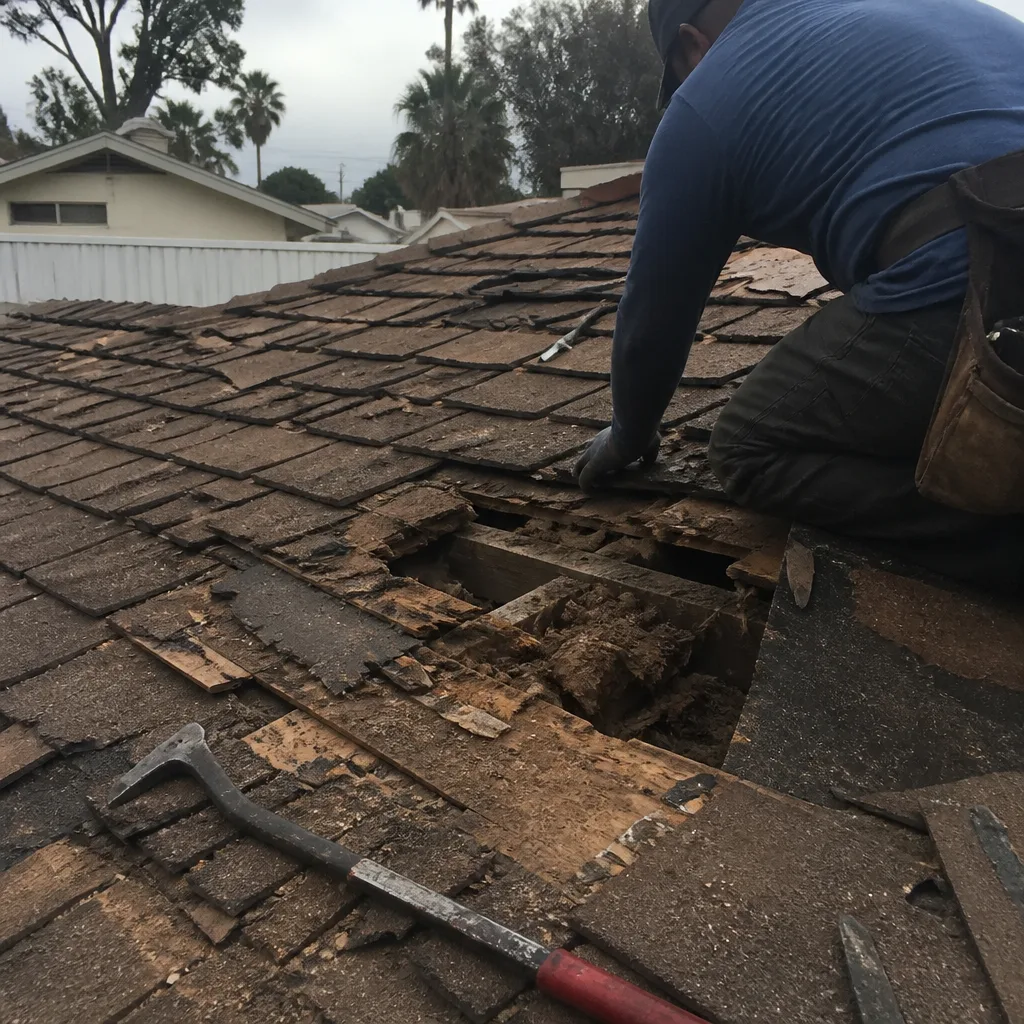 Before
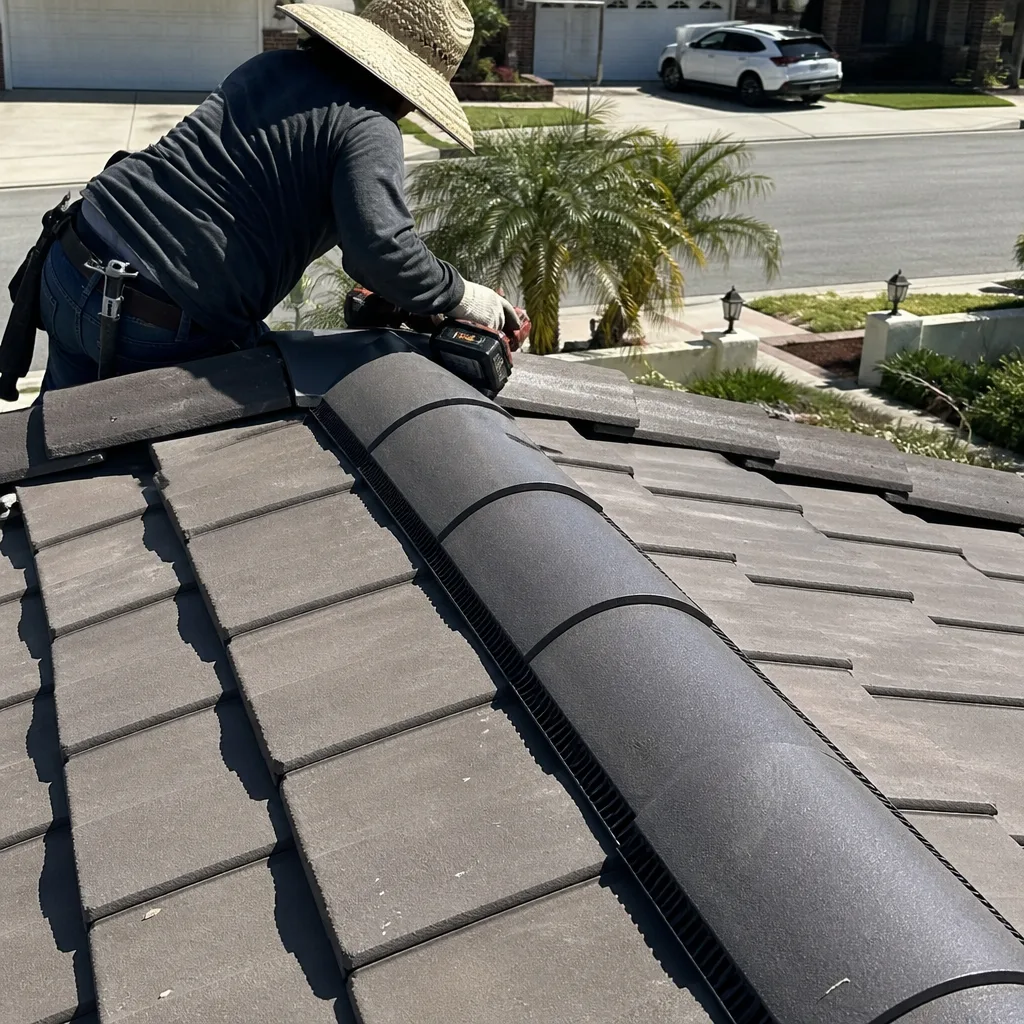 After
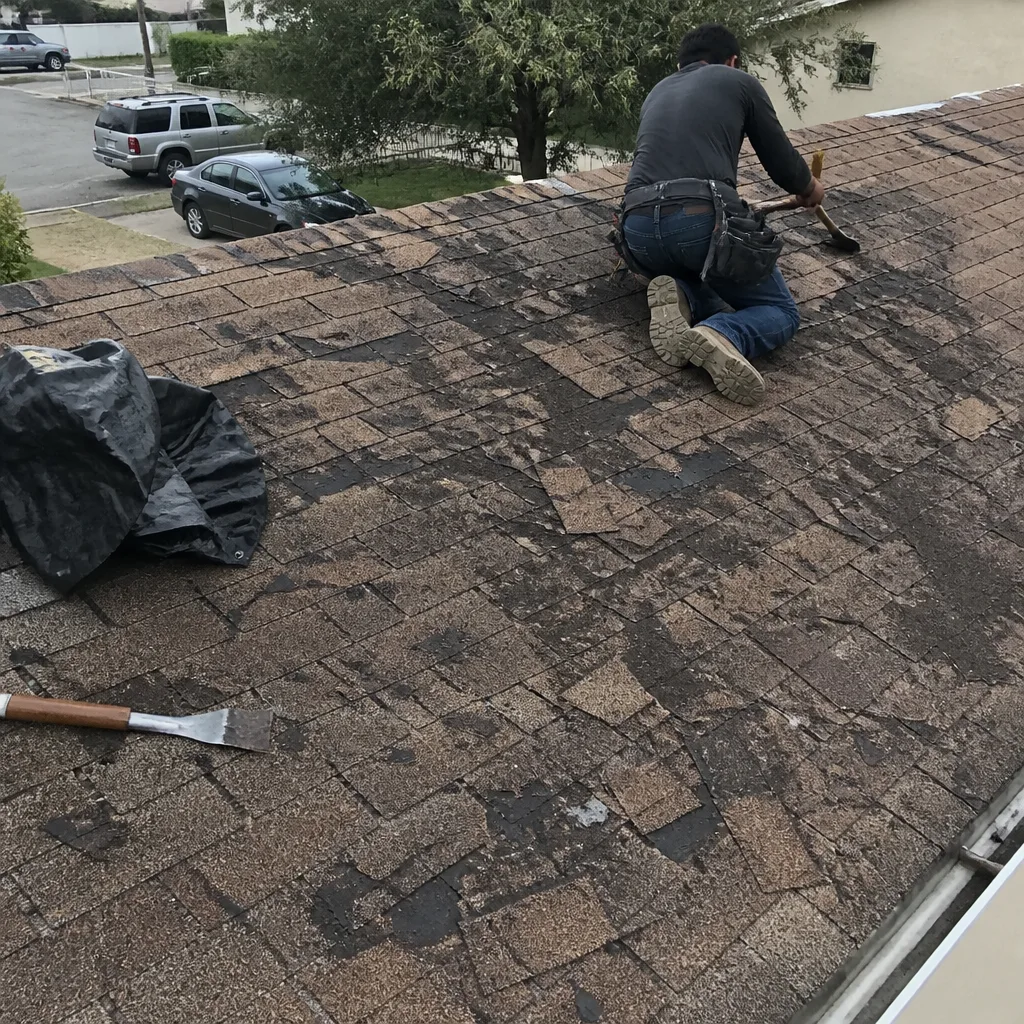 Before
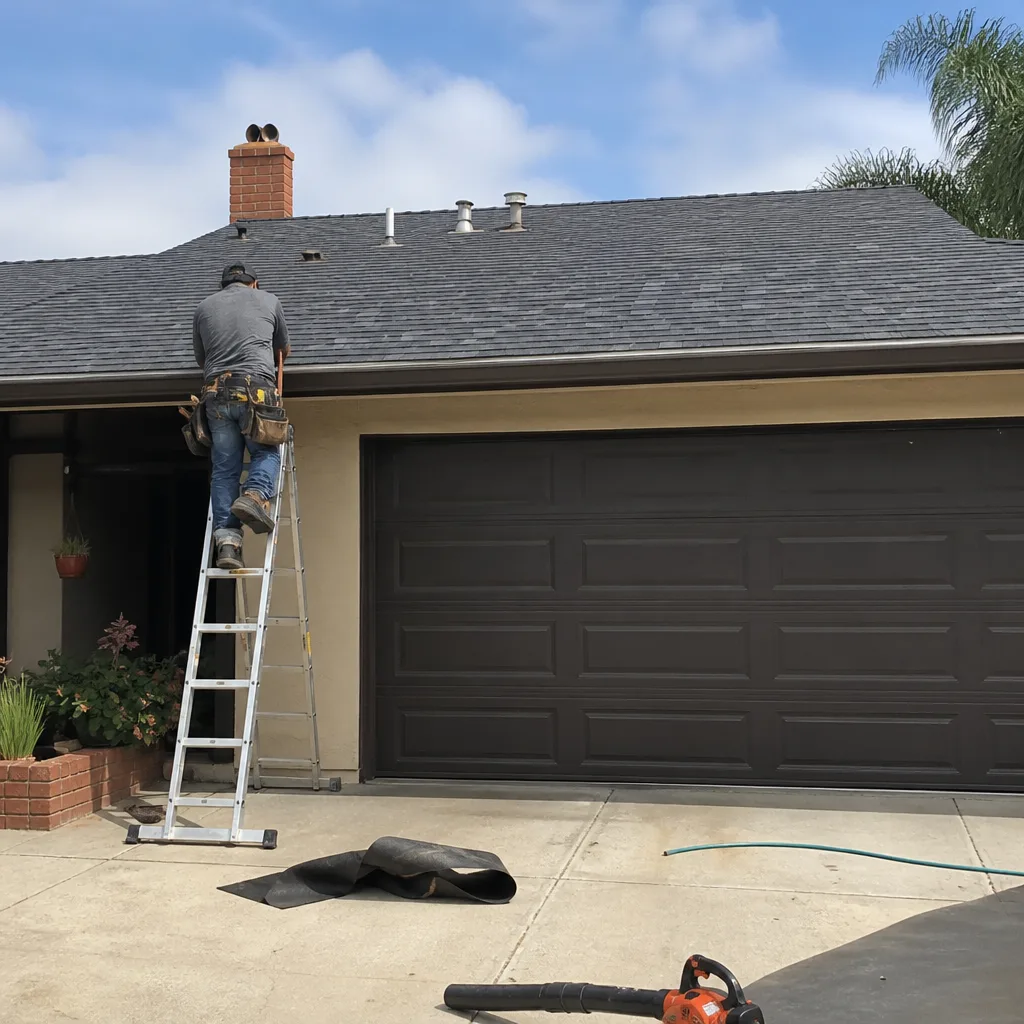 After
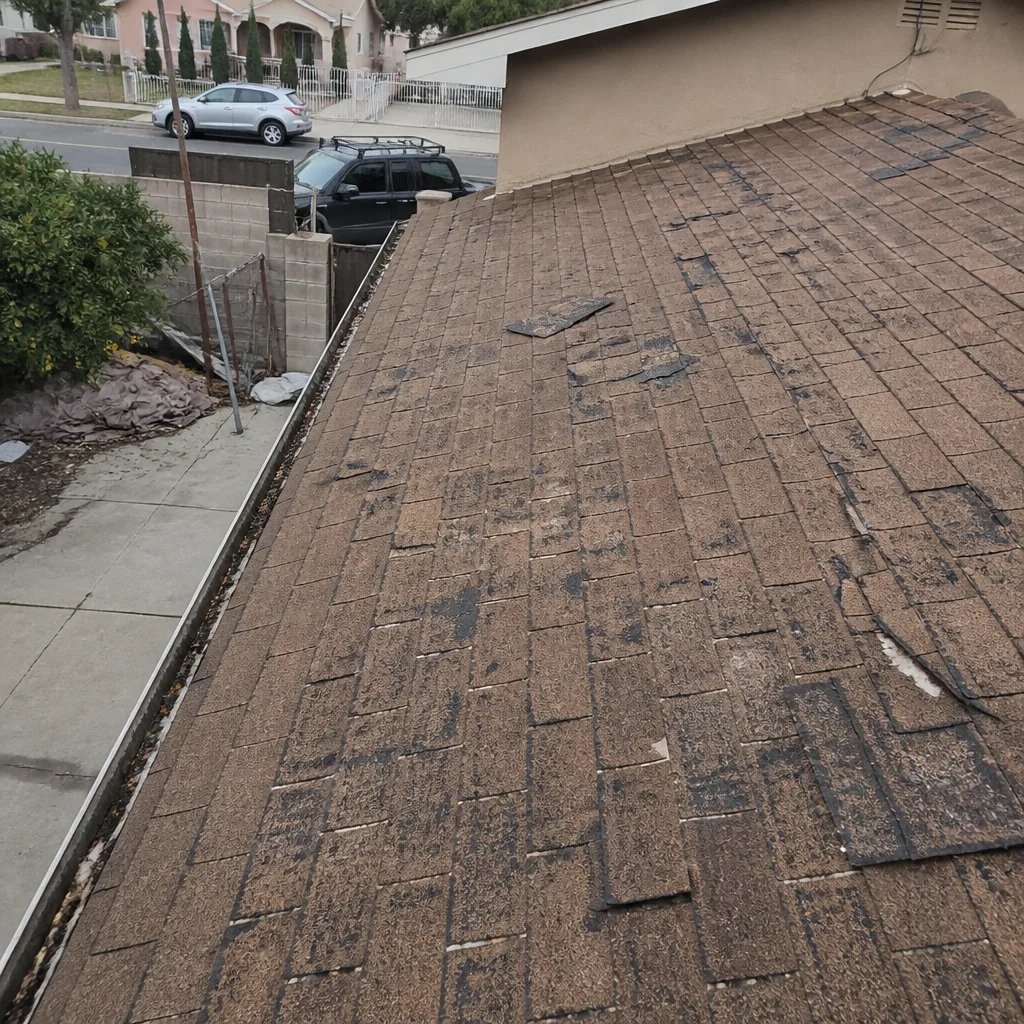 Before
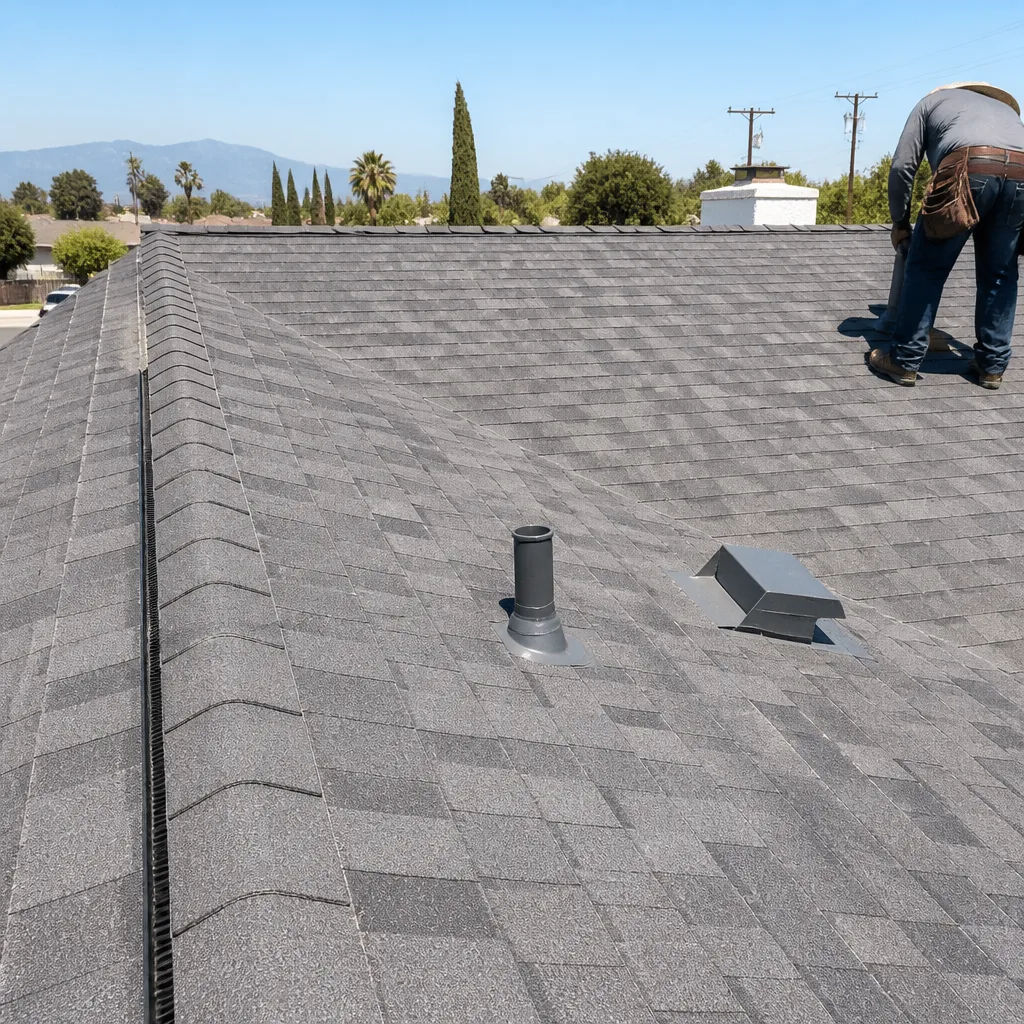 After