Last updated October 31, 2026
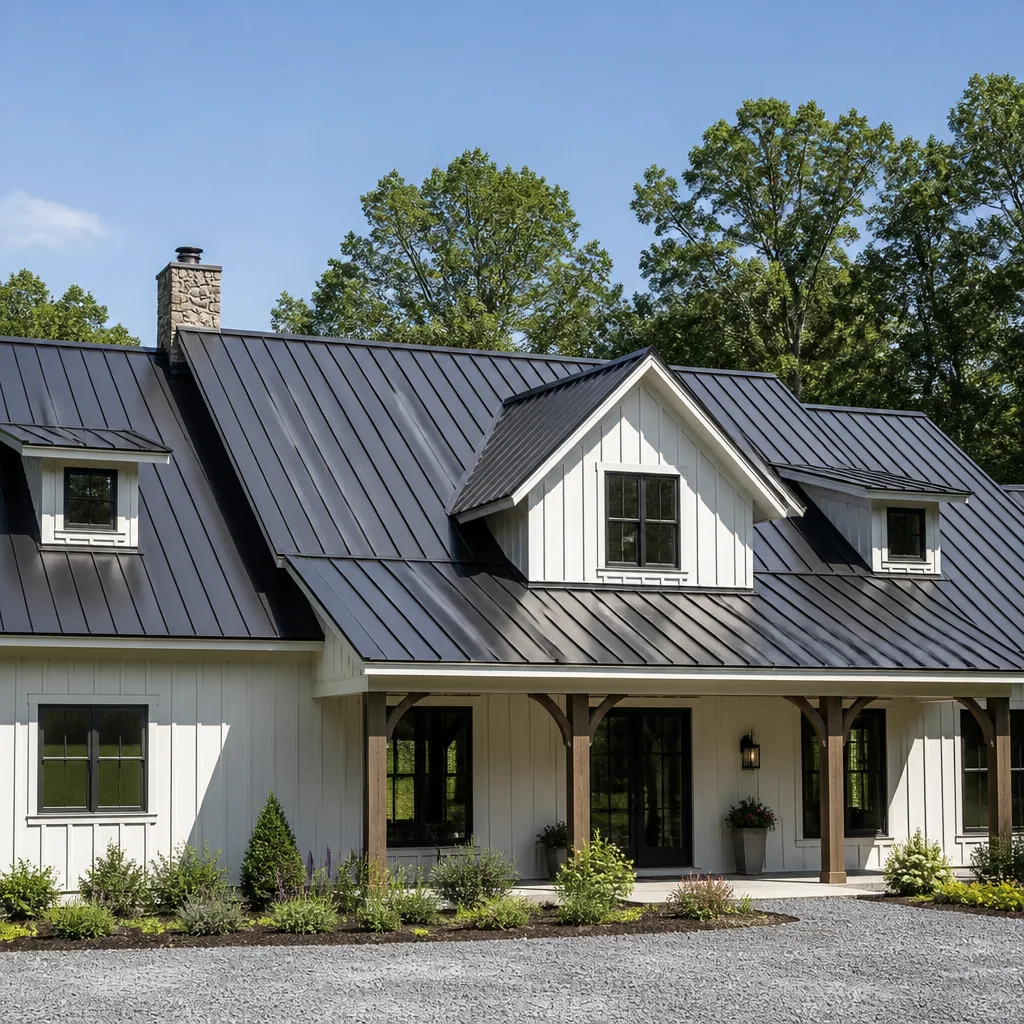 Metal roofing
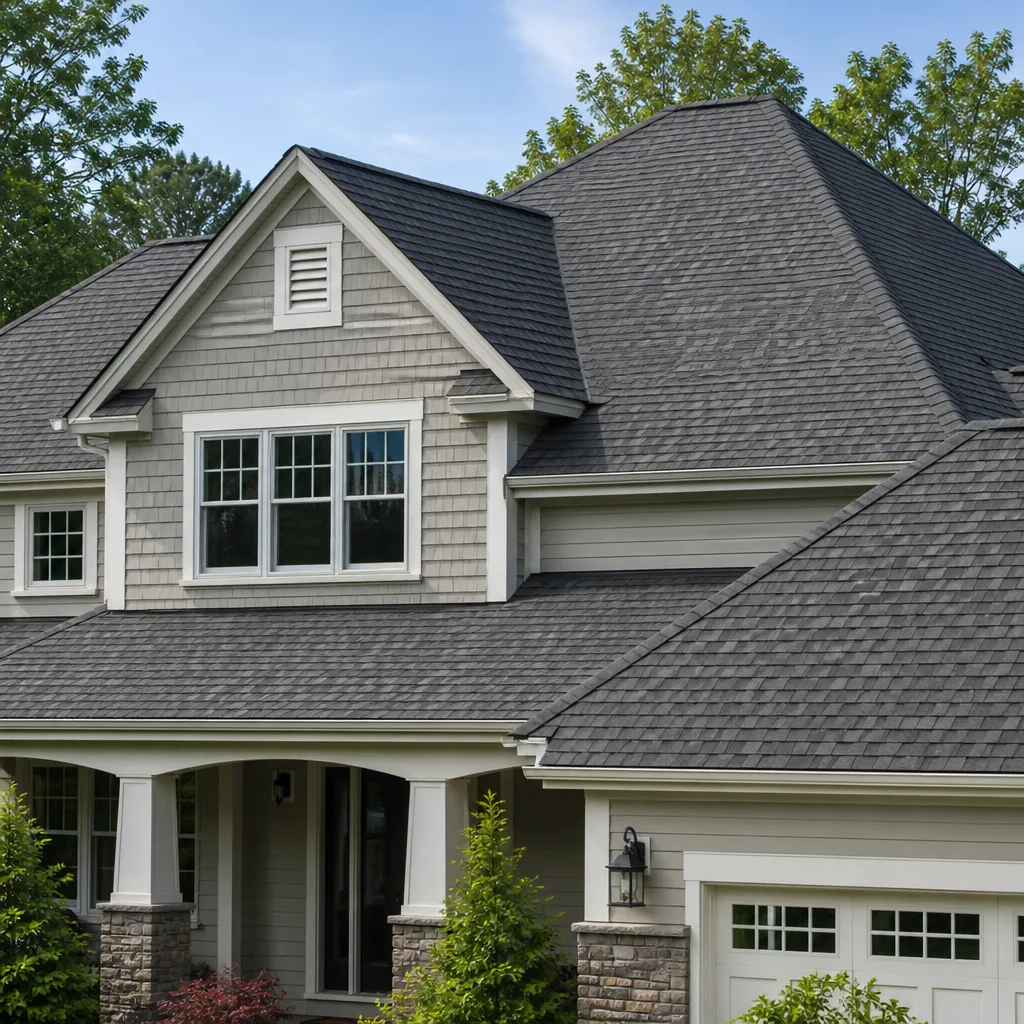 Architectural shingles
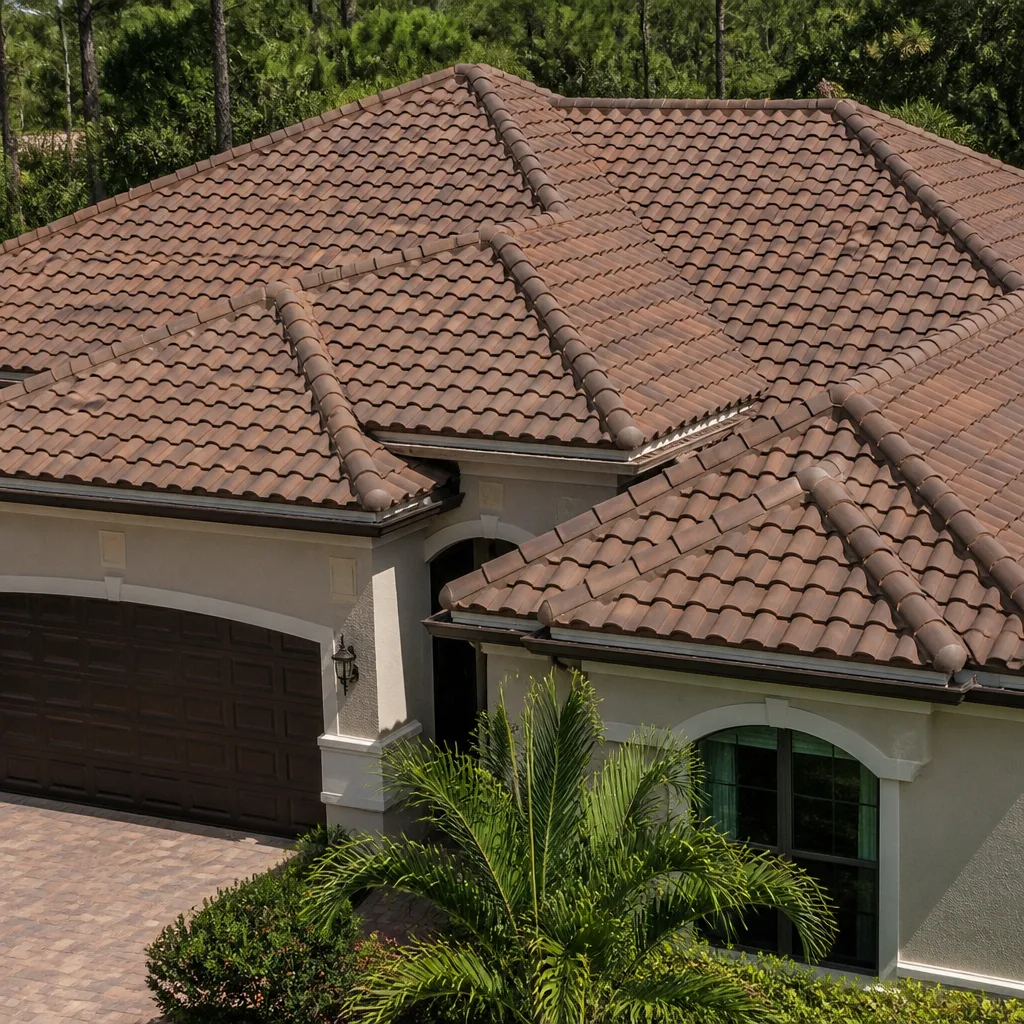 Tile roofing
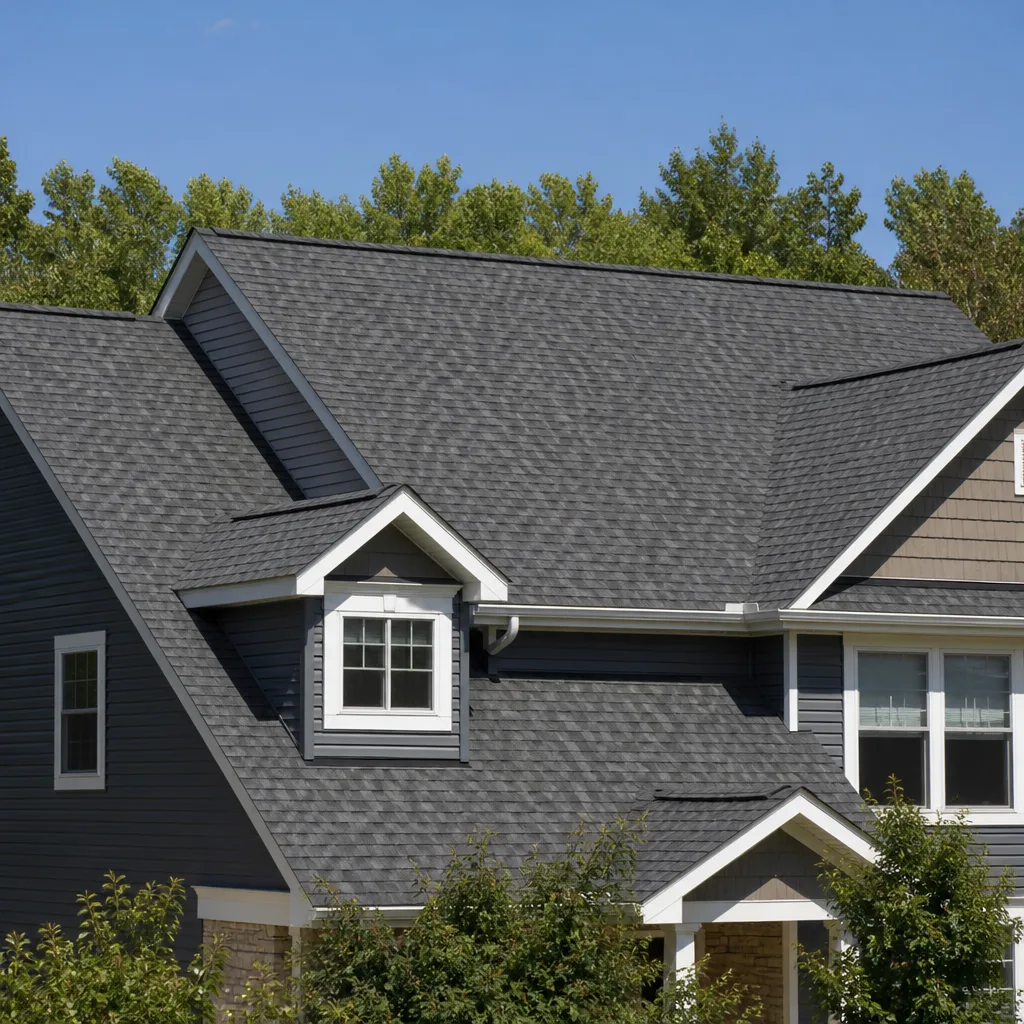 GAF
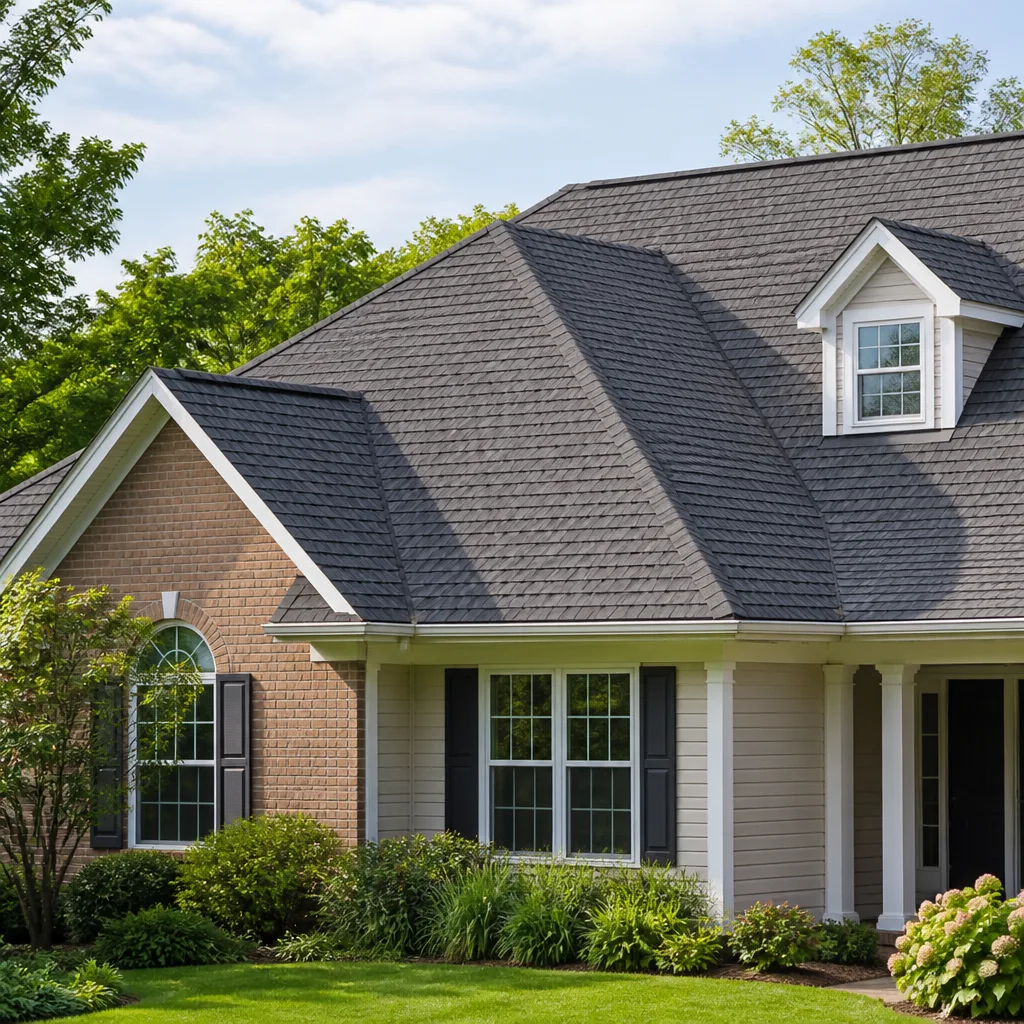 Owens Corning
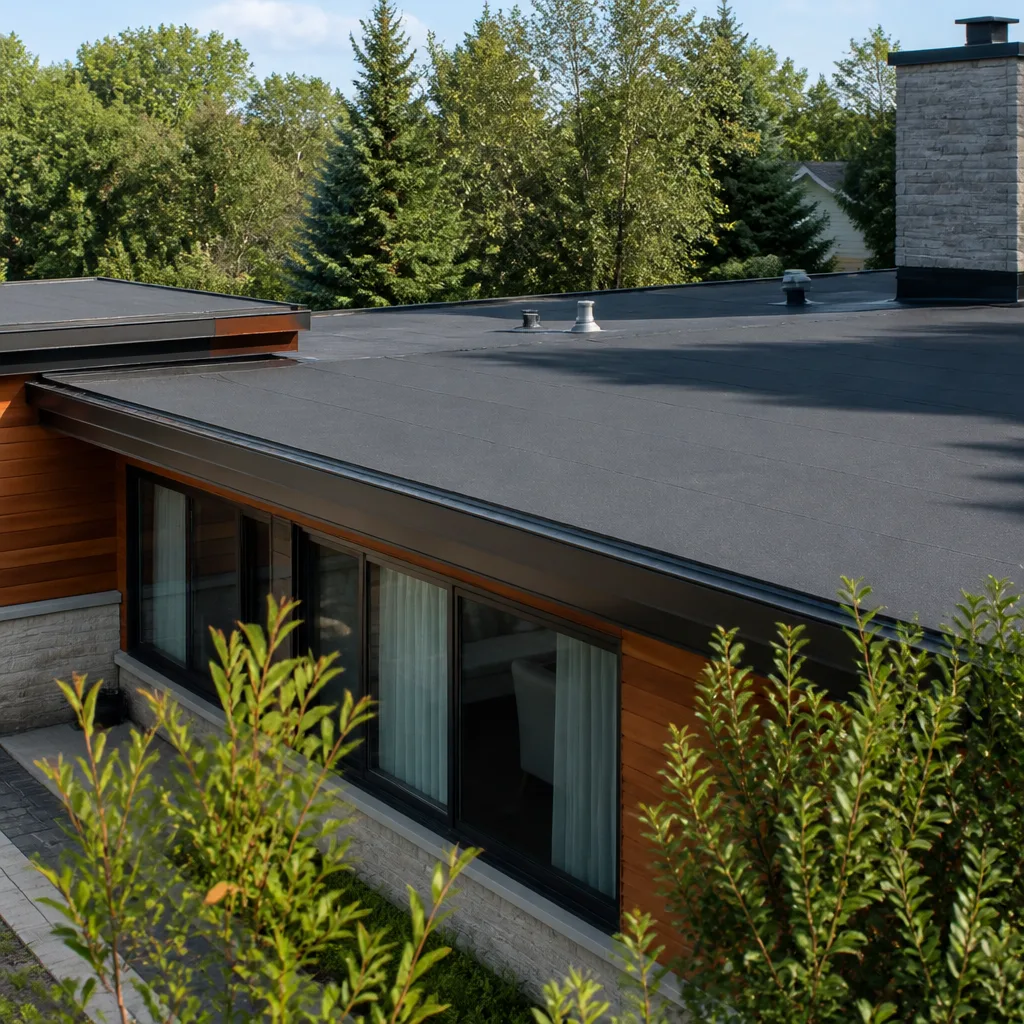 Flat & low-slope
Free roof inspection with deck photos before we talk money - GAF and Owens Corning certified installation
Choosing the Right Roofing Brand: A Buyer’s Guide for Rialto
Most homeowners in Rialto choose a roofing brand the same way they’d pick a paint color: whatever the contractor happens to have on the truck. That’s backwards. In Rialto’s climate, the difference between a standard shingle and a solar-reflective shingle from the same manufacturer can mean a 20°F attic temperature swing and a failed Title 24 energy compliance check. This guide walks you through how to read product specifications, understand warranty fine print, and match brand strengths to the specific demands of a roof in the Inland Empire. For a deeper dive, see The Complete Guide to Roofing in Rialto. You’ll finish knowing more about roofing material selection than most salespeople who knock on your door.
Quick Answer
The best roofing brand for a Rialto home is the one whose product line matches your roof’s slope, sun exposure, and fire zone requirements, installed by a contractor credentialed for that specific manufacturer. Owens Corning and Atlas offer strong solar-reflective asphalt options for Rialto’s heat load, while IKO and Tamko provide solid value tiers where budget matters more than peak reflectance. The brand matters less than the correct product tier within that brand and far less than the installer’s authorization status.
Styles & brands we work with
Table of Contents
- Why Brand Selection Actually Matters in Rialto
- How to Read a Product Data Sheet: SRI and Aged Reflectance
- Fire Ratings and Rialto’s Wildland-Urban Interface Zones
- What a ‘Lifetime’ Warranty Actually Covers
- Matching Brand to Application: Flat, Tile, and Steep-Slope
- How to Verify an Authorized Installer
- What Brand Choice Does to Your Total Cost
- Common Mistakes to Avoid
Why Brand Selection Actually Matters in Rialto
Rialto sits in a strange thermal pocket of San Bernardino County. Summer temperatures routinely push past 100°F, and unlike coastal cities, there’s no marine layer to pull temperatures back down at night. Roof surface temperatures on an August afternoon can hit 160°F. The materials you choose either reflect that heat or absorb it. That’s the first reason brand selection matters here more than in a place like Irvine or Long Beach.
The second reason is fire. Portions of Rialto, particularly the northern edges toward the San Gabriel foothills and areas near Lytle Creek wash, fall within or adjacent to wildland-urban interface zones rated as moderate to high fire hazard. Building codes in these areas require specific roof covering classifications. Not every product line from every manufacturer carries the Class A fire rating that code enforcement officers in Rialto look for.
The third reason is simpler: some brands hold up better under sustained UV exposure than others, and that’s a measurable difference. Asphalt shingle granule loss, which is the primary aging mechanism for most Rialto roofs, happens faster under high UV load. Brands differ in granule adhesion technology, and those differences show up as visible bare spots after 15 years on a south-facing Rialto roof.
None of this means one brand is universally superior. It means the right brand for your house depends on which of these factors applies most to your specific roof. A house off Riverside Avenue with mature shade trees and a west-facing roof has different needs than a house near the foothills with full sun exposure and no trees at all. Ridgeway Roof Repair’s roofing approach starts with that question, not with whatever shingle bundle happens to be on the truck.
How to Read a Product Data Sheet: SRI and Aged Reflectance
Every major roofing manufacturer publishes technical data sheets for their shingle lines. They’re dry documents, but two numbers in them matter more than any marketing claim. The first is Solar Reflectance Index, or SRI. The second is aged reflectance. Both directly affect your cooling bill in Rialto.
Solar Reflectance Index is a number from 0 to 100 that measures a material’s ability to reject solar heat. Standard dark asphalt shingles sit around 5 to 15 on the SRI scale. Solar-reflective shingles, sometimes called cool shingles, land between 25 and 40. That’s a real difference. An SRI of 30+ is what you want for a south-facing Rialto roof that takes direct afternoon sun.
Aged reflectance matters because it accounts for what happens after three years of UV exposure. New shingles look reflective in the lab. Shingles covered in fine Inland Empire dust and with slightly faded granules behave differently. The aged reflectance value tells you what the product will actually do after it’s been on your roof through a couple of Rialto summers.
Here’s how to use these numbers when comparing brands:
- Download the product data sheet from the manufacturer’s website for the exact product line, not the brand in general.
- Find the SRI value for the specific color you’re considering. Lighter colors always score higher, but even mid-tone reflective shingles can hit SRI 25+ if the granule technology is designed for it.
- Check the aged reflectance value. If it’s not on the data sheet, the product likely hasn’t been tested for long-term solar performance, which tells you something too.
- Cross-reference with Title 24 requirements for San Bernardino County. If your roof is being replaced as part of a larger project that triggers energy compliance, the SRI number determines whether you pass without supplementary measures.
- Compare the SRI numbers across brands at the same price tier. Owens Corning’s Duration Cool line and Atlas’s Pinnacle Sun line both post competitive SRI values, but their numbers differ by color, so you need to check the specific color you want.
In our experience, most Rialto homeowners have never seen a product data sheet. They’ve been shown color boards and told a shingle is “energy efficient.” A contractor who works across multiple brands can pull these sheets and walk you through them. That’s the difference between buying a roof and buying a story about a roof.
Fire Ratings and Rialto’s Wildland-Urban Interface Zones
Fire hazard severity in Rialto isn’t uniform. The city’s northern and eastern edges, where residential streets back up against open scrub and chaparral, fall into higher fire hazard severity zones than the older neighborhoods around downtown. If you’re buying a roof in one of these areas, the building code requirement may already have made part of your brand decision for you.
Class A is the highest fire rating a roof covering can achieve, and it’s the standard required in Rialto’s wildland-urban interface adjacent zones. Class A materials resist severe fire exposure from outside sources, including burning embers and direct flame contact. Most premium asphalt shingle lines from Owens Corning, IKO, and Atlas carry Class A ratings when installed over the proper underlayment. But here’s the nuance: the rating applies to the complete roof assembly, not just the shingle.
That’s important because it shifts your evaluation away from “is this brand Class A?” to “is the complete system this contractor proposes Class A?” The shingle is one layer. The underlayment, the decking, and the installation details at eaves, ridges, and penetrations all contribute to how the roof performs in an ember storm.
Some practical points for Rialto homeowners:
- Standard fiberglass asphalt shingles from most major brands meet Class A fire ratings. This isn’t a differentiator between brands at the premium tier; it’s table stakes.
- Where brands differ is in how their Class A rating holds up over time. Granule loss exposes the asphalt substrate, and asphalt is combustible. Brands with stronger granule adhesion maintain their effective fire resistance longer.
- If you’re in a higher-severity zone, consider a brand and product line that offers a reinforced or modified asphalt base, which adds fire resistance beyond the standard fiberglass mat.
- Ask to see the fire classification on the specific product data sheet for the shingle line being quoted. Don’t accept “this brand is Class A” as a substitute for “this product line, in this color, in this assembly, is Class A.”
For a roof replacement in Rialto’s fire-prone edges, the complete assembly matters. That’s why a roof replacement evaluation should never stop at the shingle brand. The underlayment selection and flashing details determine whether the fire rating on the shingle means anything in practice.
What a ‘Lifetime’ Warranty Actually Covers
Every major asphalt shingle manufacturer uses the word “lifetime” in their warranty materials. GAF, CertainTeed, Owens Corning, IKO, Atlas, and Tamko all offer lifetime warranties on their premium product lines. What none of them tell you on the front page is that the “lifetime” warranty converts to a prorated coverage after a short initial period, and the dollar amount you can actually recover drops steeply each year.
Here’s how the math typically works. The “lifetime” warranty provides full coverage for material defects for a window, often 10 years on premium lines. After that, the warranty pays a prorated amount based on the age of the roof. A 15-year-old roof might qualify for 40% of the shingle’s value, minus depreciation, minus the cost of labor, which is almost never covered. A 20-year-old roof might qualify for nothing at all, depending on the proration schedule.
Where brands genuinely differ:
- Owens Corning typically applies their Total Protection Roofing System warranty only when the shingles are installed over their own underlayment and accessories with an Owens Corning credentialed installer. The same shingle installed with off-brand underlayment gets a significantly reduced warranty.
- IKO offers cost of labor coverage on their premium lines for a longer period than most competitors, but the installer credentialing requirements are strict.
- Atlas has simplified their warranty structure in recent years toward what they call “no fine print” coverage, but the proration schedule still exists and is buried in the document.
- Tamko offers solid standard coverage on their mid-tier lines, but factory-applied labor allowances are narrower than the premium tier brands.
There’s a second warranty tier that matters in Rialto, and it’s not the manufacturer’s document. It’s the contractor’s workmanship warranty. A manufacturer warranty covers material defects. It does not cover installation errors: nails overdriven, valleys flashed wrong, underlayment failed. That’s on the contractor. When you’re comparing quotes, ask what the installer covers in their own workmanship warranty and for how long. In our experience doing roof repair work, a meaningful portion of “material failure” calls turn out to be installation issues that the manufacturer rightly denies.
Matching Brand to Application: Flat, Tile, and Steep-Slope
Rialto has a mix of roof types that reflects the city’s development history. Older homes near downtown, built between the 1940s and 1960s, often have lower-slope roofs that sometimes require membrane systems. Mid-century ranch houses have moderate slopes ideal for asphalt shingles. And a significant number of homes, particularly in newer subdivisions toward the north, have concrete or clay tile roofs.
These are not interchangeable brand decisions. A brand that makes an excellent asphalt shingle may have a weak or nonexistent flat-membrane product. Extending your loyalty to a brand beyond its actual product range is a mistake.
Steep-slope asphalt shingles: This is the category where the most brand competition exists. Owens Corning, IKO, Atlas, and Tamko all have credible offerings. The decision here should come down to solar reflectance, warranty structure, and color availability. For a steep roof on a south-facing Rialto lot, prioritize SRI.
Flat and low-slope membranes: If your Rialto home has a flat or near-flat roof section, you’re not in the asphalt shingle market at all. You’re looking at modified bitumen or single-ply membrane systems. Some manufacturers that dominate steep-slope markets have minimal presence here. The brand decision shifts to membrane manufacturers, and it’s a different comparison entirely.
Tile roofs: Concrete and clay tile roofs in Rialto rarely need full replacement, because the tile itself lasts half a century or more. What fails is the underlayment beneath the tile, and that’s where the brand decision lives: underlayment, not tile. A full tile roof replacement is expensive and usually unnecessary when the tile is still sound. An honest roof inspection should tell you the difference before you’re quoted for work you don’t need.
Treat brand as a decision that happens after you’ve identified the roof application, not before. Start with the roof’s slope, substrate, and condition. Then let those facts narrow the brand list to the ones that actually compete in that category.
How to Verify an Authorized Installer
Manufacturer warranty coverage depends on installer credentials. This is the part most Rialto homeowners skip, and it’s the part that determines whether your 50-year “lifetime” shingle carries a warranty at all.
Most manufacturers have three installer tiers: basic, credentialed or preferred, and master or elite. The top tier requires the contractor to pass factory training, maintain insurance documentation, and have a history of warranty claims below a certain threshold. In exchange, the manufacturer extends the homeowner’s warranty coverage: longer workmanship periods, higher labor allowances, and better wind coverage.
Here’s how to verify that a contractor is authorized for a specific brand, step by step:
- Ask the contractor for their installer ID number for the brand you’re considering. Every major manufacturer issues these to credentialed contractors.
- Go to the manufacturer’s website and look for their installer locator or find-a-contractor tool. Enter the contractor’s name or ID.
- Confirm the credential tier. “Authorized” and “Master” are not the same thing. The tier determines warranty upgrades.
- Ask for the warranty upgrade documentation in writing before you sign anything. Credentialed installers can provide this on manufacturer letterhead or through the manufacturer’s portal.
- Check the credential is current. Many manufacturers require annual recertification. A contractor who was credentialed five years ago may not be now.
This matters because it’s common in the Inland Empire for contractors to offer multiple brands they are not credentialed to install. The shingles are fine, and the install may be fine, but if the homeowner ever needs to make a warranty claim, the manufacturer denies it because the installer wasn’t authorized for that product line at the time of installation.
Ridgeway Roof Repair works with seven major roofing manufacturers, including GAF, CertainTeed, Owens Corning, IKO, Atlas, Tamko, and Boral. That breadth exists so we can match the product to the roof, and so our credentialing status with each manufacturer is part of the conversation from the first estimate. The right material for your roof, not just what we have in stock.
What Brand Choice Does to Your Total Cost
Roof replacement cost in Rialto typically runs between $8,000 and $25,000 depending on roof size, pitch, removal requirements, and material selection. The brand and product tier within that brand shifts the total by a meaningful amount, but not as much as most homeowners expect.
Here’s a realistic breakdown of how brand and tier affect your line-item cost:
- Entry-tier asphalt shingles: Tamko’s Heritage line and IKO’s Cambridge line typically run $3.50 to $4.50 per square foot installed. These are functional shingles with standard warranties and limited color options.
- Mid-tier asphalt shingles: Atlas Pinnacle and Owens Corning’s standard Duration line typically run $4.50 to $6.00 per square foot installed. These add stronger wind ratings and better granule adhesion.
- Premium solar-reflective shingles: Owens Corning Duration Cool and Atlas Pinnacle Sun typically run $5.50 to $7.50 per square foot installed. The premium buys you higher SRI values, which in Rialto’s climate translates to lower cooling costs over the roof’s life.
- Tile replacement or underlayment work: A full concrete tile replacement starts around $12 per square foot and can exceed $20, which is why underlayment replacement is the common path for Rialto tile roofs.
The point is that brand doesn’t change your cost nearly as much as product tier does. A top-tier Tamko costs less than a mid-tier Owens Corning, and both may be perfectly appropriate for a given roof. The mistake is comparing brands without controlling for tier, or letting a single-brand contractor limit your options to the tier they stock.
When you’re getting quotes, ask for the specific product line and color, not just the brand. “Owens Corning” is a company with twenty product lines. “Owens Corning Duration Cool in Estate Gray” is a roof you can research, price-compare, and hold a contractor accountable for.
Common Mistakes to Avoid
- Choosing a brand before choosing an installer. The installer’s credentialing status determines whether the brand’s warranty means anything. A great shingle installed by an unauthorized contractor carries no meaningful manufacturer coverage.
- Comparing quotes without comparing product lines. A $9,000 quote for a Tamko Heritage roof and an $11,000 quote for an Owens Corning Duration Cool roof are not comparable. One includes a solar-reflective premium tier. One doesn’t. Ask for sku-level product specifics on every quote.
- Ignoring SRI values for south-facing Rialto roofs. A dark standard shingle on a south-facing roof in Rialto will raise attic temperatures measurably. The energy cost difference over 20 years can exceed the price difference between standard and reflective shingles.
- Assuming “lifetime warranty” means lifetime labor. It almost never does. Read the proration schedule and ask about the contractor’s separate workmanship warranty before signing.
- Paying for a tile roof replacement when only the underlayment is failing. This happens more than it should in Rialto, where many homes have tile roofs that are structurally sound but leaking from degraded underlayment. Get an inspection that separates the tile condition from the underlayment condition.
- Treating flat roof sections as an afterthought. A flat garage roof or patio cover on a Rialto home needs a membrane system, not asphalt shingles. Applying shingles to a low slope is a leak waiting to happen.
- Skipping the fire rating check in wildland-adjacent neighborhoods. If you’re near the northern edge of Rialto toward the foothills, your roof assembly may need to meet Class A requirements. Confirm with the city or your contractor before selecting materials.
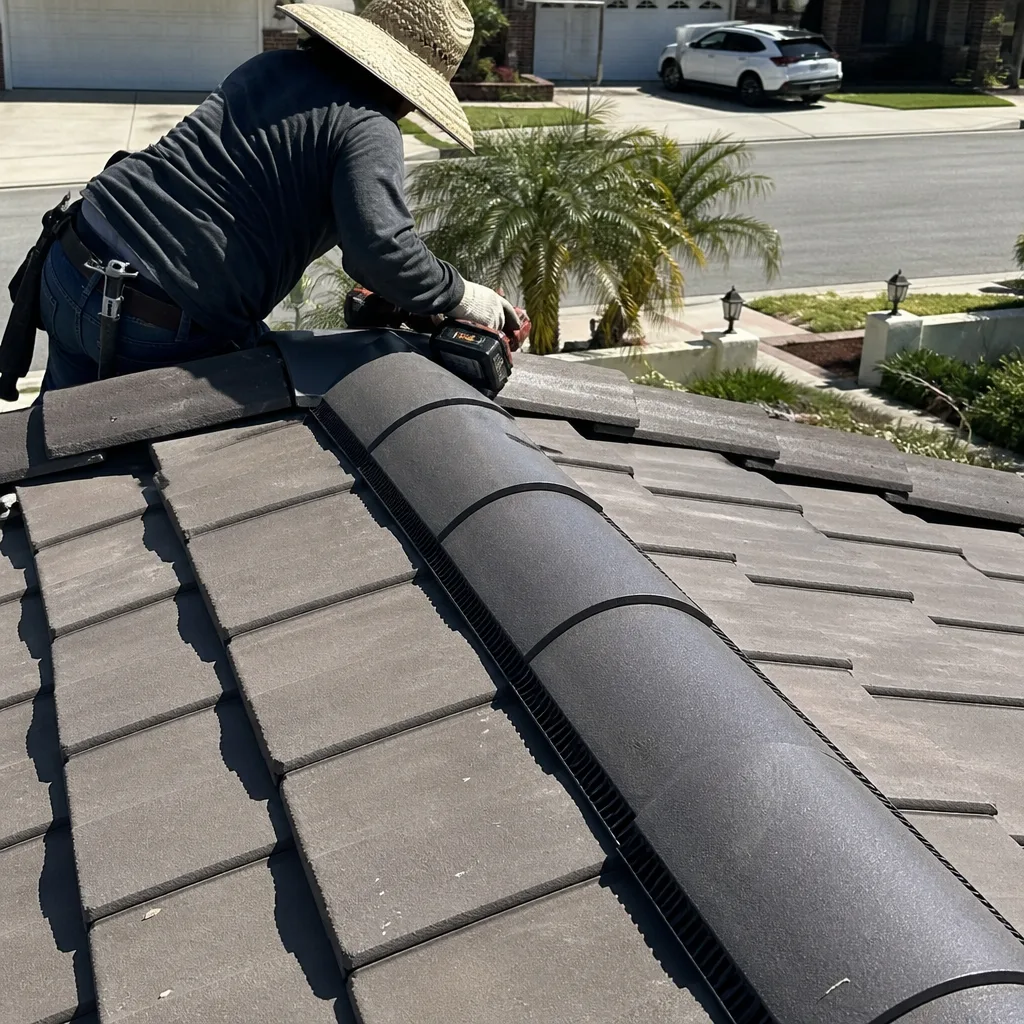
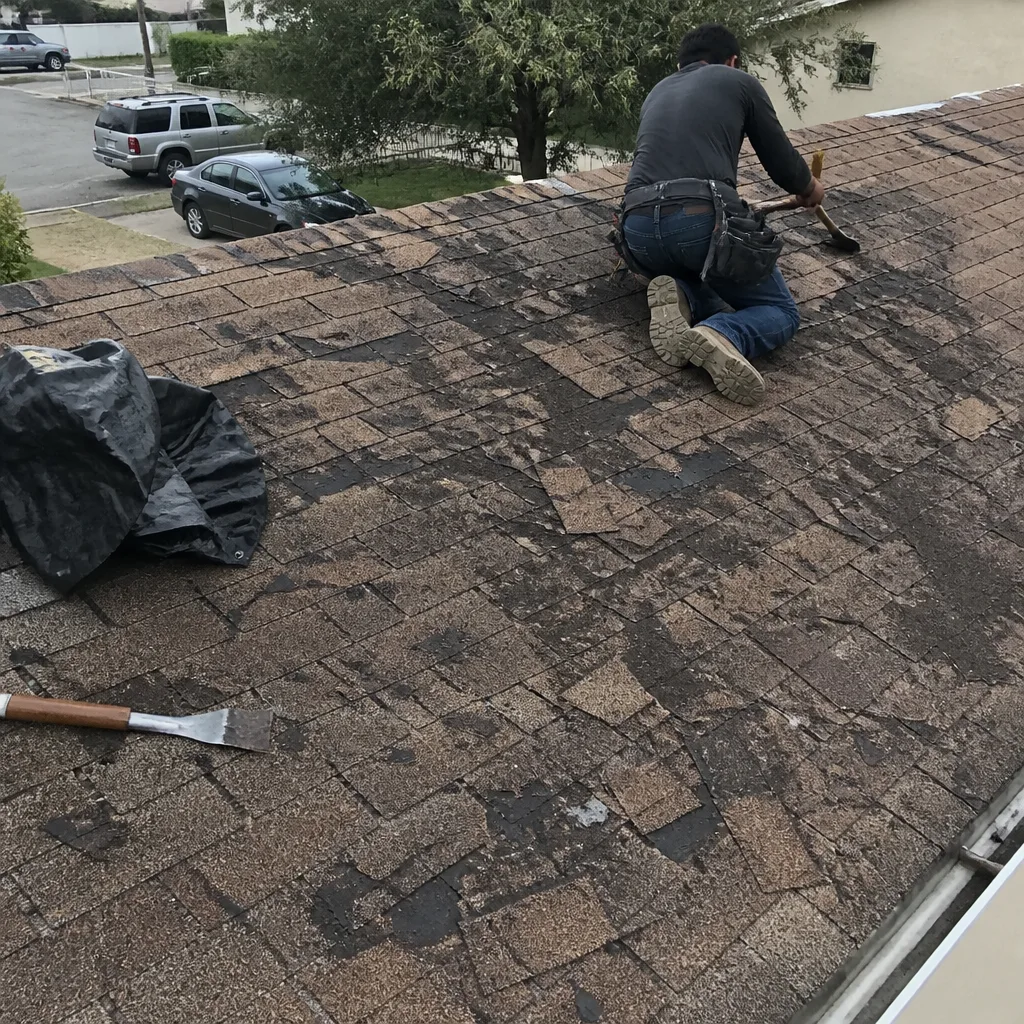
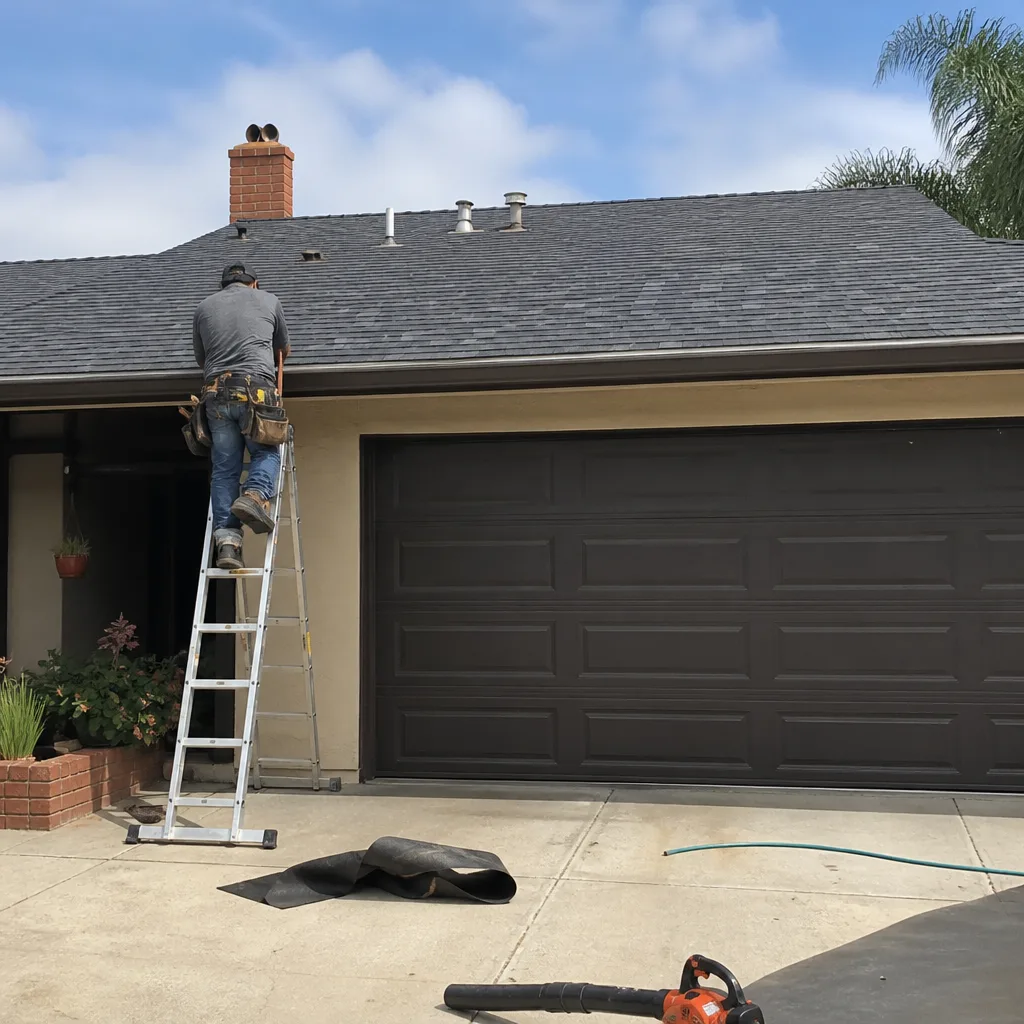
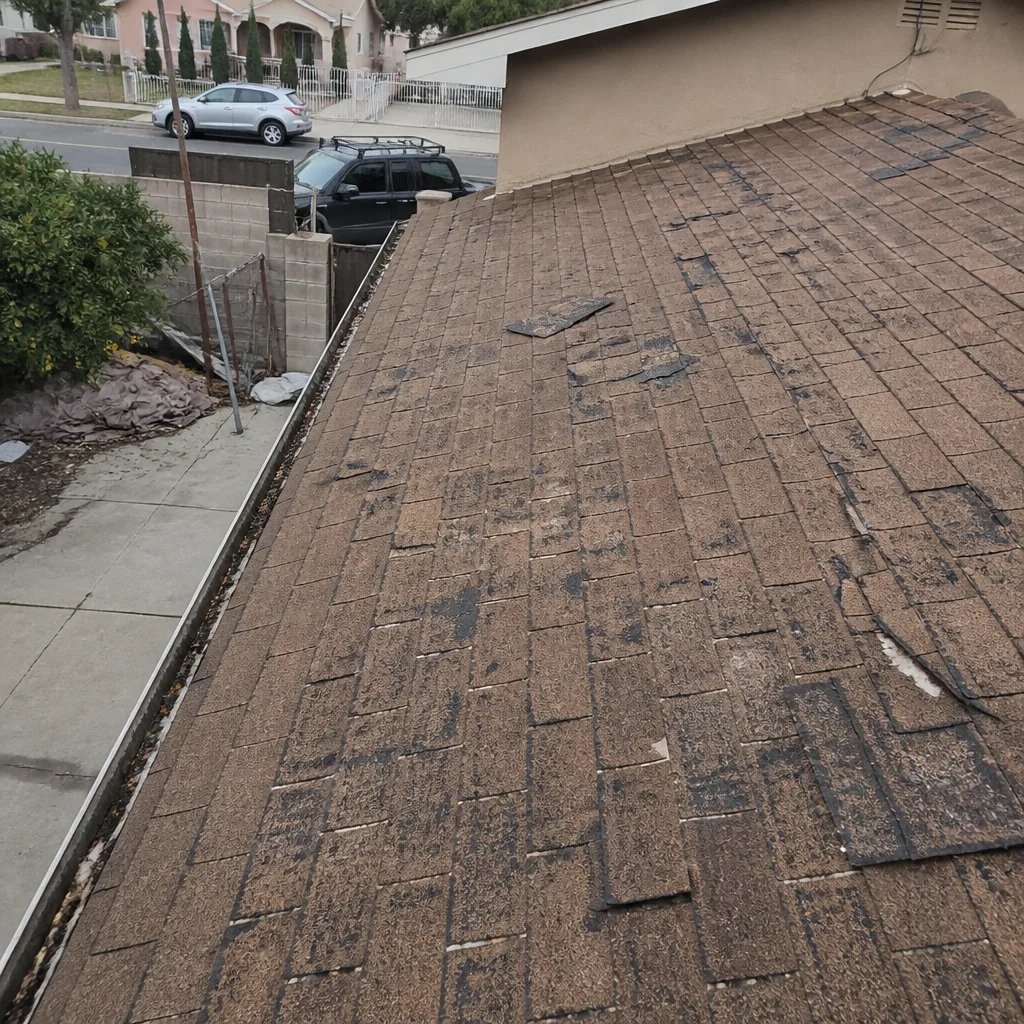
See the difference
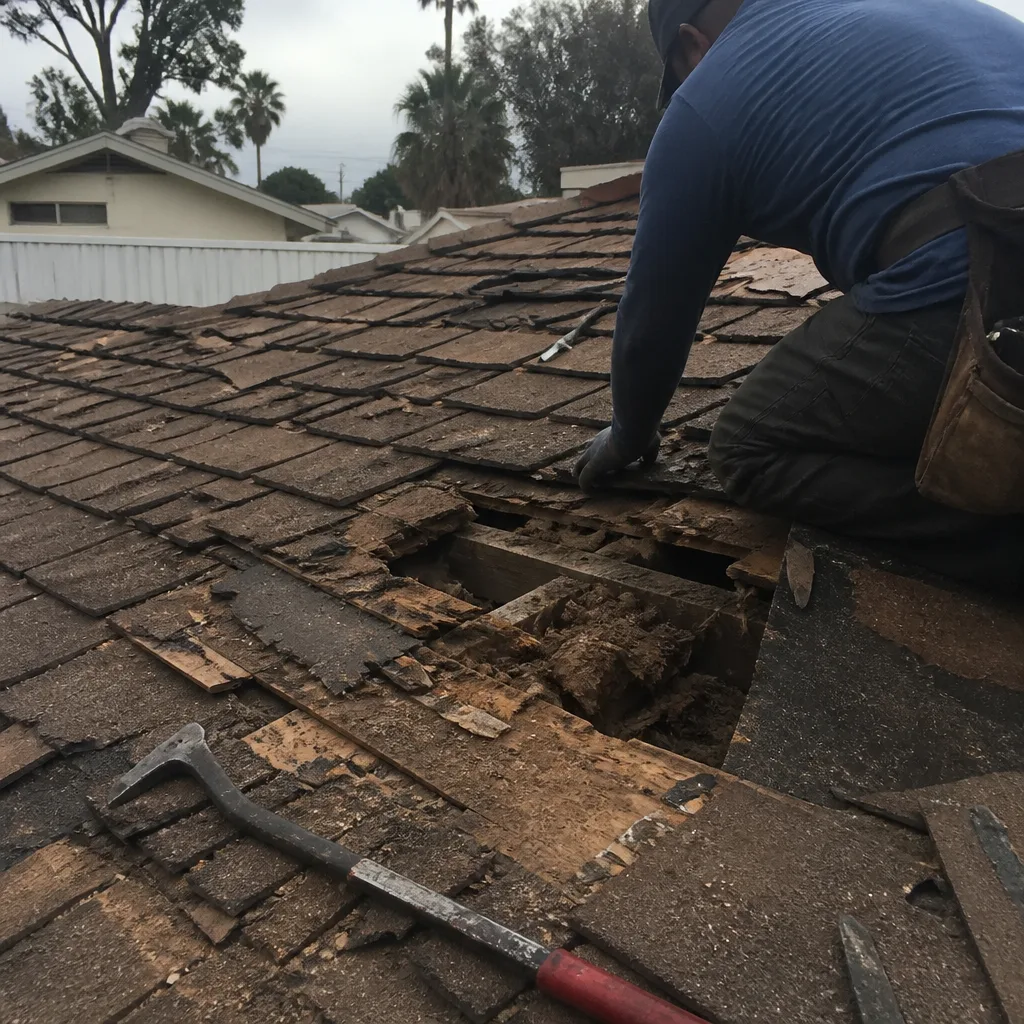 Before
 After
 Before
 After
 Before
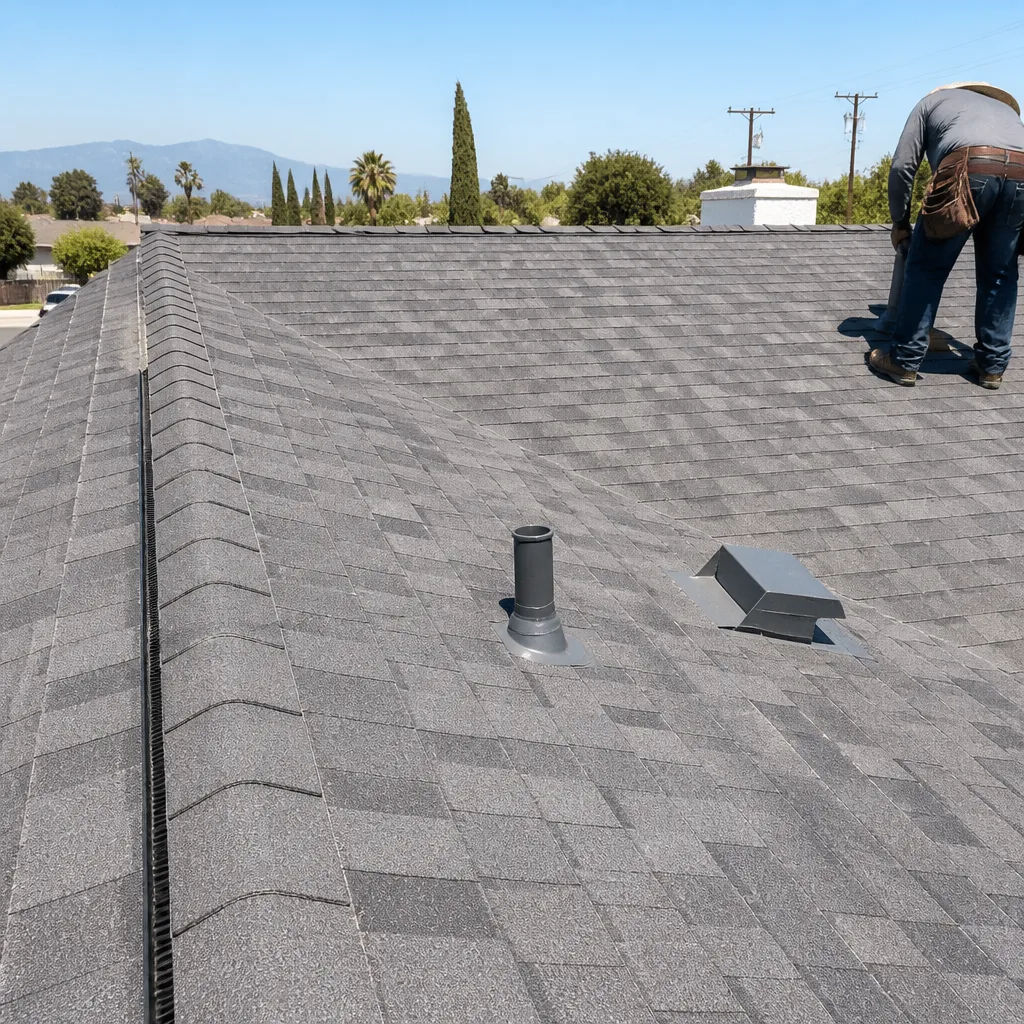 After
When to Call a Professional
Call a professional roof contractor when you see granule accumulation in your gutters, visible sagging between rafters, water stains on interior ceilings, or cracked and curling shingles on a south-facing slope. For help deciding whether to tackle issues yourself or hire out, read our DIY vs Professional Roofing: The Rialto Homeowner’s Decision Guide. These are signs of roof aging that a visual inspection from the ground cannot fully assess. You should also call before buying a home with a roof older than 15 years, after any severe wind event that may have lifted shingles, and before any major solar panel or HVAC rooftop installation that will affect the roof’s structural load and warranty status. Ridgeway Roof Repair offers free estimates in Rialto, call (877) 588-7942 to schedule one.
Frequently Asked Questions
The best roofing brands for Rialto’s climate are those offering high Solar Reflectance Index (SRI) product lines, and both Owens Corning and Atlas have strong options here. Look specifically for their solar-reflective shingle tiers: Owens Corning Duration Cool and Atlas Pinnacle Sun, which are designed to reject more solar heat than standard shingles and can reduce attic temperatures by 20°F or more on a Rialto summer afternoon.
Rialto does require Class A fire-rated roofing materials in areas designated as wildland-urban interface zones, primarily along the city’s northern and eastern edges near open chaparral. The complete roof assembly, including underlayment, must meet the classification, not just the shingle. Confirm your specific parcel’s requirements with the city’s building department before selecting materials.
Any licensed contractor can purchase and install any roofing brand, but manufacturer warranty coverage depends on installer credentialing. If a contractor is not authorized by the specific manufacturer at the time of installation, the manufacturer can deny warranty claims on material defects. Verify the contractor’s credential status through the manufacturer’s website before signing a contract.
A full roof replacement in Rialto typically costs between $8,000 and $25,000, depending on roof size, slope, tear-off requirements, and the material tier selected. Standard architectural asphalt shingles account for most of the lower range, while premium solar-reflective shingles and tile work push toward the upper end. Every roof is different, so call (877) 588-7942 for an exact quote, estimates are free.
Tile roofs last longer than asphalt shingle roofs and are common in Rialto, but they’re heavier, cost significantly more to replace, and rarely need full replacement because the tile itself can last 50 years or more. What fails on Rialto tile roofs is the underlayment beneath the tile, which requires replacement every 20 to 30 years. The better question is what performance and budget fit your home, not which material is universally superior.
Before signing a roof replacement contract in Rialto, verify the contractor’s license and insurance, confirm their credentialing status with the specific brand being quoted, review the manufacturer’s warranty document including the proration schedule, and obtain a written workmanship warranty from the contractor. Also confirm the exact product line and color on the contract, not just the brand name. Get the specifics in writing, call (877) 588-7942 to schedule a free estimate.
The Bottom Line
Roofing brand selection in Rialto should follow a process, not a preference. Start with your roof’s application: slope, substrate, sun exposure, and fire zone. Filter for products that carry Class A ratings where required and meaningful SRI values where the Rialto sun is hardest on your roof. Compare warranty structures and proration schedules, not marketing language. And verify installer credentials, because an unauthorized installation voids the warranty you thought you were buying. Seven top brands give Rialto homeowners real optionality. The right material for your roof, not just what any one contractor happens to stock. Call (877) 588-7942 for a free estimate and a straight answer about which product line fits your Rialto home. Explore more guides & resources on roofing in the Inland Empire.
Written by the team at Ridgeway Roof Repair, serving Rialto since 2018.