
Last updated October 31, 2026
 Metal roofing
 Architectural shingles
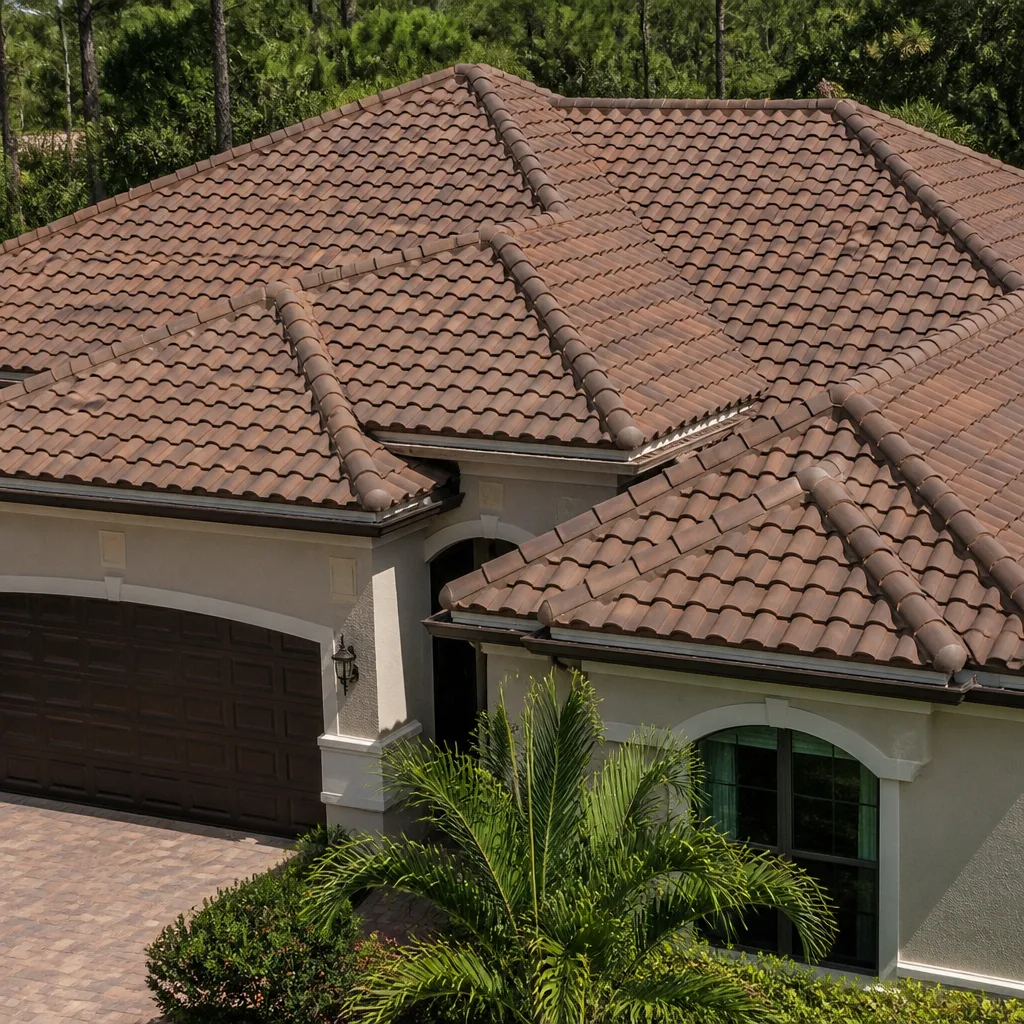 Tile roofing
 GAF
 Owens Corning
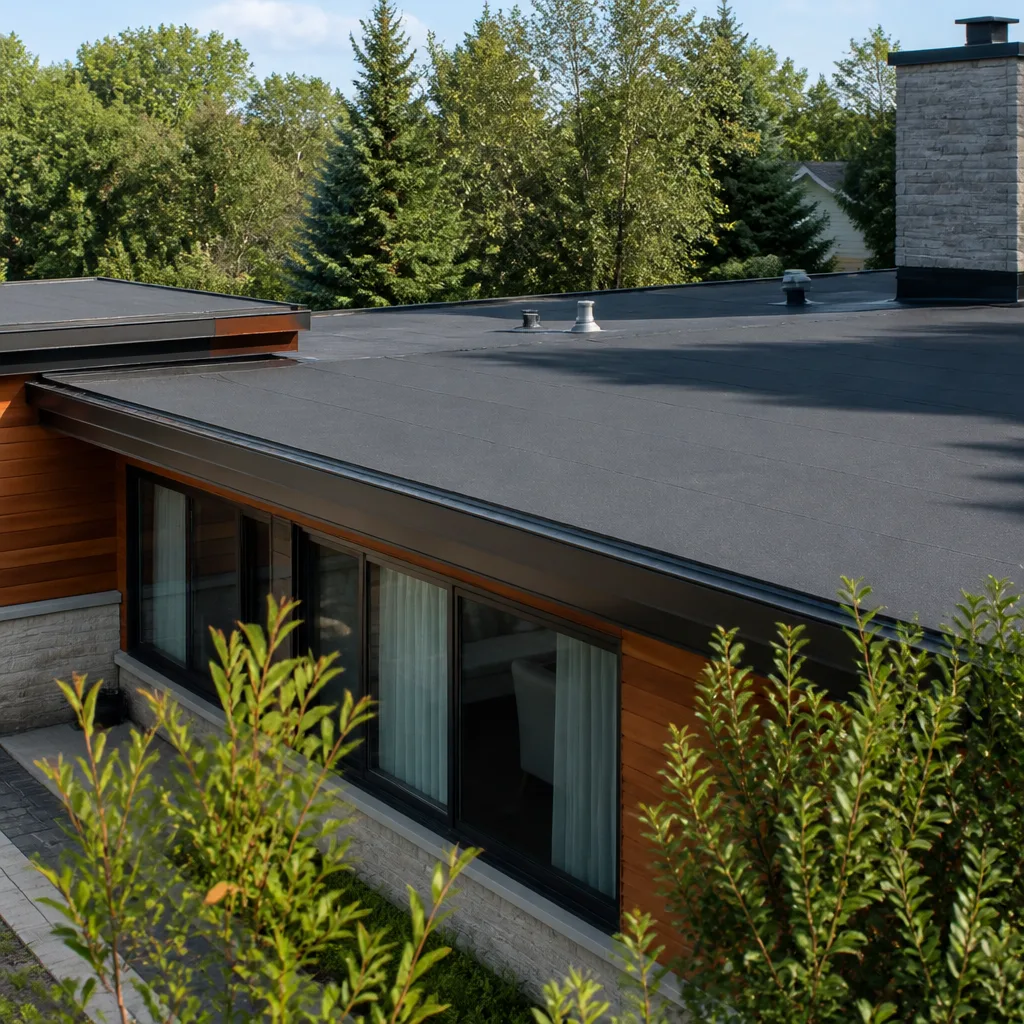 Flat & low-slope
Free roof inspection with deck photos before we talk money - GAF and Owens Corning certified installation
Seasonal Roofing Care for Rialto: Year-Round Homeowner’s Guide
Rialto averages just 15 inches of rain annually, but nearly 60% of that falls inside a 90-day stretch, and a roof that went unchecked through months of triple-digit heat is at its weakest exactly when those first real storms arrive. Most homeowners treat roof maintenance as a spring-and-fall ritual, which misses how Rialto’s climate actually works. This guide breaks the year into two critical windows and two shoulder periods, so you spend your effort where it genuinely protects the roof, not where a generic checklist tells you to.
Quick Answer
Seasonal roof care in Rialto CA comes down to two high-stakes periods: a pre-rain inspection in October before winter storms hit, and summer thermal management to keep attic heat from cooking your roof sheathing from the inside. The spring and late-summer shoulder seasons are for non-urgent repairs, documentation, and prep work. Treating all four seasons equally wastes time and misses the specific failures Rialto’s heat-and-downpour cycle actually causes.
Styles & brands we work with
Table of Contents
- Why Rialto’s Climate Demands a Different Roof Care Calendar
- The October Pre-Rain Inspection: Six Components to Check Before the First Storm
- Santa Ana Wind Events: Post-Event Debris and Fastener Inspection
- Summer Thermal Management: When Your Attic Cooks Your Roof From the Inside
- Why Spring Is Rialto’s Lowest-Risk Season (and How to Use That Window)
- Documenting Roof Condition Seasonally for Insurance Claims
- Common Mistakes to Avoid
- When to Call a Professional
- Frequently Asked Questions
Why Rialto’s Climate Demands a Different Roof Care Calendar
Rialto sits in a semi-arid climate zone where the roof faces two distinct enemies that operate on opposite schedules. From June through September, sustained temperatures above 95°F bake roofing materials from the outside while attic temperatures can climb past 150°F. Asphalt shingles age faster under that kind of heat. The oils that keep shingles flexible evaporate, and what’s left is brittle, crack-prone material that can’t absorb the impact of a heavy rainstorm without splitting.
Then comes winter. Rialto’s rain doesn’t arrive as a steady drizzle spread across months. It arrives concentrated, often in a handful of significant storm events between December and March. A roof that developed small cracks or lifted flashing details during the summer heat gets tested all at once. Water finds those openings fast, and what started as a thermal-stress crack becomes a leak inside the living space.
The shoulder seasons, spring and early fall, are not inactive periods. They’re the windows where a Rialto homeowner can address what the harsh seasons did. Spring follows the rain and gives you a dry stretch to fix anything water exposed. Late summer, before the October inspection, lets you handle heat-related damage before it becomes a leak liability.
If you follow a generic four-seasons checklist, you’ll spend spring and fall doing gutter cleaning that matters less here than in leaf-heavy climates, while missing the specific checks that actually prevent Rialto roof failures. The roof doesn’t care what month it is. It cares what the weather just did to it and what the weather is about to do.
The October Pre-Rain Inspection: Six Components to Check Before the First Storm
By mid-October, Rialto is usually still warm and dry, but the first significant Pacific storm is often only weeks away. This is the single most important inspection of the year, and a Roof Inspection in San Bernardino or Rialto right now catches problems while they’re still cheap to fix.
Walk the property and check these six components in order:
- Flashing at penetrations and transitions. Look at the metal flashing around chimneys, vent pipes, skylights, and anywhere the roof plane changes. Summer expansion and contraction loosens fasteners and breaks sealant bonds. Lifted flashing is the number one leak source we find in October inspections.
- Shingle or tile condition at the eaves. The first two courses of roofing material at the bottom edge take the most wind uplift and the most direct rain. Check for curled shingle corners, cracked tiles, or exposed nail heads.
- Gutter and downspout attachment. Gutters don’t just carry water, they carry debris weight. Loose hangers or separated downspout joints mean water dumps at the foundation instead of away from it. Rialto’s baked clay soil expands when wet, so concentrated downspout discharge can stress foundation walls.
- Roof-to-wall intersections. Where roofing meets stucco or siding, check the counterflashing and the sealant line. Stucco expands and contracts at a different rate than roofing metal, which makes these joints fail predictably after hot summers.
- Ventilation openings. Confirm soffit vents aren’t painted over, blocked by insulation, or clogged with dust and debris. A roof that can’t breathe through summer stores heat that damages the decking from below, a problem covered in the summer section below.
- Debris accumulation in valleys. Even in Rialto, dust, leaves from ornamental trees, and wind-blown material collect in roof valleys. A valley that holds water during a storm will find its way through any small gap in the underlayment.
If any of these six items shows damage, handle it before the first major storm. A repair in October costs a fraction of what an interior leak repair costs in January, once water has saturated insulation and drywall.
Santa Ana Wind Events: Post-Event Debris and Fastener Inspection
Rialto gets hit by Santa Ana wind events most often in October and November, sometimes into December. These winds blow from the northeast, often gusting over 50 mph, and they do damage that a routine gutter cleaning won’t catch.
After any wind event with sustained gusts above 30 or 40 mph, walk the roof perimeter and check for:
- Lifted or missing shingles. Wind-driven shingles don’t always blow completely off. They lift, the seal strip breaks, and they lay back down looking almost normal. A shingle that has lost its seal will fail in the next rain, even though it passes a casual glance.
- Debris impact points. Palm fronds, branches, and even roof gravel from neighboring properties become projectiles in Santa Ana winds. Look for impact marks on shingles, cracked tiles, or dents in metal flashing.
- Fastener back-out on metal components. Repeated wind vibration works screws and nails loose on flashing, ridge vents, and pipe collars. Loose fasteners mean the metal can lift during the next event, taking surrounding roofing with it.
- Blown-in debris in valleys and behind chimneys. Santa Ana winds deposit material in places normal weather doesn’t. A pile of dry leaves behind a chimney is a water dam waiting for the first rain.
Most Rialto homeowners don’t own a tall enough ladder or have the walking knowledge to inspect a roof safely after a wind event. If you’re not comfortable on a ladder, a structured roof inspection gives you the same post-wind assessment without the risk. We’d rather inspect it and find nothing than have you find out about a lifted shingle during the first December storm.
Summer Thermal Management: When Your Attic Cooks Your Roof From the Inside
Rialto’s summer heat is the roof’s slow killer. When outside air hits 100°F, attic air under a poorly ventilated roof can exceed 150°F. That heat radiates up through the roof decking, and the underside of your roofing material absorbs it. Over time, that heat does three things.
First, it accelerates shingle aging. Asphalt shingles have oils that keep them flexible. Prolonged exposure to 150°F-plus attic temperatures bakes those oils out from below, which means the shingle loses flexibility faster than it would from UV exposure alone. A shingle that loses flexibility cracks instead of flexing during thermal expansion and contraction.
Second, it damages sheathing. Plywood and OSB sheathing delaminate under sustained high heat. The glue bonds between wood layers break down, and the sheathing loses structural strength. By the time you can see the damage from the attic side, the decking may already need partial replacement before a re-roof.
Third, it raises cooling costs in a way that compounds. A hot attic radiates heat down into the living space, which forces the air conditioning to work harder. That’s not a roofing problem in the traditional sense, but it’s a direct consequence of how the roof system is ventilated.
The fix is ventilation engineering, not just adding a vent. Effective attic ventilation requires balanced intake and exhaust. Soffit vents bring cool air in at the bottom. Ridge vents or powered exhaust units let hot air out at the top. Without both, the system doesn’t move air efficiently. In Rialto’s climate, the goal is to keep attic temperature as close to outside ambient temperature as possible.
If your attic is noticeably hotter than the outside air on a summer afternoon, or if you see moisture staining on the underside of the sheathing (from condensation cycles), the ventilation system needs evaluation. The issue is cheaper to correct before the decking sustains permanent damage.
Why Spring Is Rialto’s Lowest-Risk Season (and How to Use That Window)
By April, Rialto’s rain has typically wound down, and the extreme heat hasn’t arrived. For a few weeks, the roof faces neither its water threat nor its heat threat. That makes spring the lowest-risk season for repairs, and the smartest time to schedule non-urgent work.
There are practical reasons this matters beyond the weather. Roofing contractors in Southern California get slammed in October and November when homeowners suddenly remember the rain is coming, and again in January and February when leaks actually appear. Spring sits in the trough between those demand spikes.
What that means for a homeowner is straightforward: scheduling flexibility and often better pricing. A Roof Repair in San Bernardino or Rialto scheduled in April or May can be planned around your schedule, not squeezed between emergency calls. Material lead times from manufacturers like GAF and CertainTeed are shorter when installers aren’t all ordering at once.
Spring is also the right time for full replacement planning. If your roof is within a few years of its expected service life, a spring Roof Replacement in San Bernardino or Rialto gets done during dry, mild weather, with no rush to close things up before a storm arrives. Tear-off and replacement in spring means the new roof has all summer to settle under normal thermal cycling before it faces its first real rain test.
Use spring for: post-rain leak checks, flashing repairs exposed by winter storms, thermal-crack shingle replacement from the previous summer, gutter tightening, and planning any larger project. Spring is when the roof’s problems are visible but not urgent. That’s the best time to fix them.
Documenting Roof Condition Seasonally for Insurance Claims
Insurance claims for roof damage in Rialto often fail for one specific reason: the homeowner can’t prove the damage happened during the covered period, and not before it. Roofing claims, especially wind and hail claims, require establishing a timeline. Seasonal documentation solves that problem.
Create a simple record that includes:
- Dated photos of the roof surface. Four times a year, take photos from the same angles, ideally the same spots. Use a ladder if you’re comfortable, or shoot from the ground with a zoom lens. The goal is a baseline showing what the roof looked like before any damage event.
- Close-up photos of problem areas. If you notice a lifted shingle, a cracked tile, or a gap in flashing, photograph it up close with a date stamp. That photo becomes evidence of pre-existing condition, which protects you from claim denial based on prior damage.
- Receipts and repair records. Any repair, even a small one, generates documentation. Keep receipts, work orders, and before-and-after photos of completed repairs in the same folder as your seasonal photos.
- Post-storm photos taken within 48 hours. After any significant wind or rain event, photograph the roof again. If something new shows up, the gap between your last seasonal photo and the post-storm photo narrows the window where the damage occurred, which is exactly what an adjuster needs.
This habit takes about 15 minutes per season. In our experience, the homeowners who keep seasonal roof documentation have materially smoother claims experiences than those who don’t, because the adjuster can see the roof’s condition trajectory rather than trying to reconstruct it from memory.
Common Mistakes to Avoid
- Skipping the October inspection because the roof “looks fine.” The damage that causes January leaks is often invisible from the ground and marginal in October. A small lifted flashing edge becomes a leak after the first sustained storm. October is when the repair is still cheap.
- Treating Santa Ana cleanup as gutter clearing only. Clearing gutters after a wind event is good, but it misses lifted shingles, backed-out fasteners, and impact damage. If you only clean gutters, you’re leaving the actual roof unchecked.
- Adding insulation without confirming ventilation first. Rialto homeowners occasionally add attic insulation for energy savings, then discover the insulation blocks soffit vents and makes the attic hotter than before. Ventilation and insulation have to work together, not in sequence.
- Assuming spring rain guarantees a clean roof. A dry winter followed by a dry spring doesn’t mean the roof is clean or functional. Dust accumulation and UV exposure continue regardless of rainfall, and the thermal cycling that causes cracking happens with or without rain.
- Waiting until a leak appears to call a roofer. By the time water shows up inside, the roof failure has existed for weeks or months. Water travels along decking and framing before it becomes visible. The visible stain is always downstream from the actual entry point.
- Using a pressure washer on asphalt shingles. Pressure washing strips the granule layer that protects shingles from UV. The roof looks cleaner for a season and then ages prematurely. If the roof needs cleaning, use soft-wash methods or leave it alone.
- Patching repeatedly without identifying the root cause. Multiple repairs to the same area usually mean the actual cause hasn’t been found. A recurring leak near a valley might be an underlayment failure, not a surface issue. At some point, a full inspection costs less than another patch.
When to Call a Professional
Some seasonal roof work is genuinely DIY-friendly: checking gutters, photographing the roof from the ground, noting visible issues. But any situation involving ladder work at height, walking on the roof surface, or diagnosing leaks inside the attic deserves a trained assessment. Falls from roofs remain a leading cause of residential injury, and the cost of a professional inspection is trivial compared to the cost of a hospital visit.
Call a roofer when: you see interior water staining, you can’t identify where a leak is coming from, you find shingle granules collecting in gutters in volume, you notice daylight visible through the roof deck from inside the attic, or you haven’t had the roof professionally assessed in more than three years. Ridgeway Roof Repair offers free estimates in Rialto, call (877) 588-7942.
Frequently Asked Questions
Once a year at minimum, with the ideal timing in October before the winter rain season starts. If your roof is over 10 years old, or if it’s been through a significant Santa Ana wind event, a second inspection in spring is worth the cost. Rialto’s heat accelerates roofing material aging enough that an annual check catches problems while they’re still surface-level, as explained in The Complete Guide to Roofing in Rialto. Call (877) 588-7942 to schedule a structured roof inspection, estimates are free.
Most Rialto roof repairs, detailed in The Complete Roof Repair Guide for Rialto Homeowners, fall between $250 and $800 depending on the material, the extent of the damage, and whether flashing replacement is involved. Small flashing reseals run lower. Cracked tile replacement sits mid-range. Repairs involving decking damage run higher because the structural layer has to be addressed, not just the surface. Call (877) 588-7942 for an exact quote on your specific repair, estimates are free.
Replace when the roofing material has reached the end of its service life, which for asphalt shingles in Rialto is often 15 to 22 years depending on ventilation and sun exposure, and when repairs in multiple areas start exceeding the cost-per-year of a new roof. Granule loss in gutters, curling shingle edges, and recurring leaks in different locations all signal that patchwork has stopped making financial sense. A Roof Replacement in San Bernardino or Rialto should be evaluated by someone who can show you the full material range so the replacement matches your roof’s actual needs.
You can identify a lot from ground level: missing shingles, visible flashing gaps, sagging areas, gutter problems, and debris accumulation. What you can’t see from the ground is the condition of seal strips, the tightness of flashings at penetrations, and early-stage decking damage inside the attic. Use ground-level checks as your between-inspections habit, and leave the detailed assessment to a professional who does roof inspections as a standalone service, not as a sales tactic. See our more guides & resources for additional tips.
Attic temperatures above 150°F bake shingle oils out from below, cause sheathing delamination, and accelerate the aging of everything in the roof assembly. The damage isn’t visible from outside until the material starts failing. Balanced attic ventilation, with adequate soffit intake and ridge or powered exhaust, keeps attic temperatures closer to ambient and extends roof life measurably. This is the most under-addressed roofing issue we see in Rialto.
Coverage depends on the cause of the damage. Storm damage, wind damage, and impact damage are typically covered. Gradual deterioration, aging, and maintenance neglect are not. This is why seasonal documentation matters: a claim for wind damage is stronger when you have dated photos showing the roof’s condition before the wind event. Call (877) 588-7942 if you need a professional assessment after a storm, and keep those photos in order before you need them.
The Bottom Line
Seasonal roof care in Rialto works best when it follows the city’s actual weather pattern, not a generic calendar. The October pre-rain inspection is your highest-value maintenance action of the year. Post-Santa Ana checks catch wind damage before rain turns it into a leak. Summer ventilation management protects the roof from the inside out. Spring is your window for repairs and replacement planning at better scheduling and often better pricing. And documenting condition every season turns insurance claims from a fight into a formality. A roof that gets attention at the right times costs less to own and lasts years longer.
Written by the team at Ridgeway Roof Repair, serving Rialto since 2018.
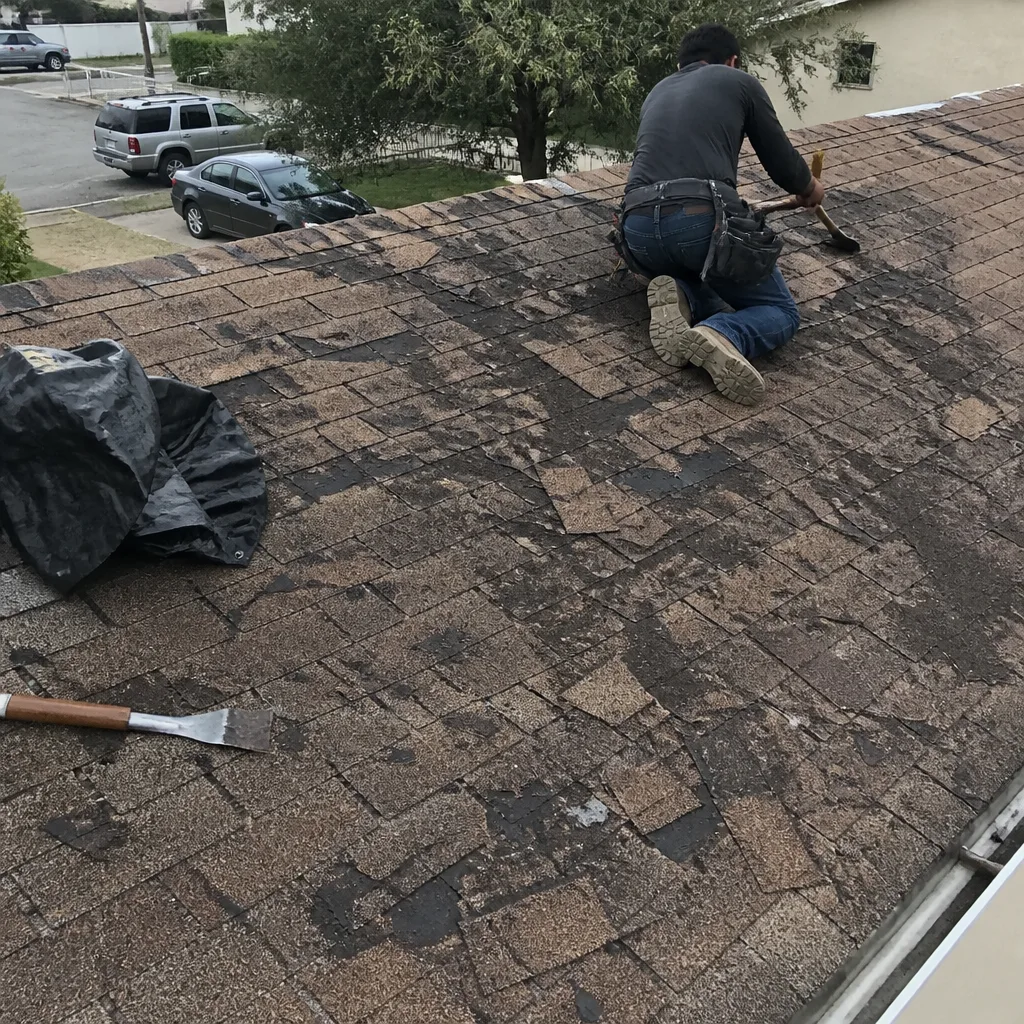
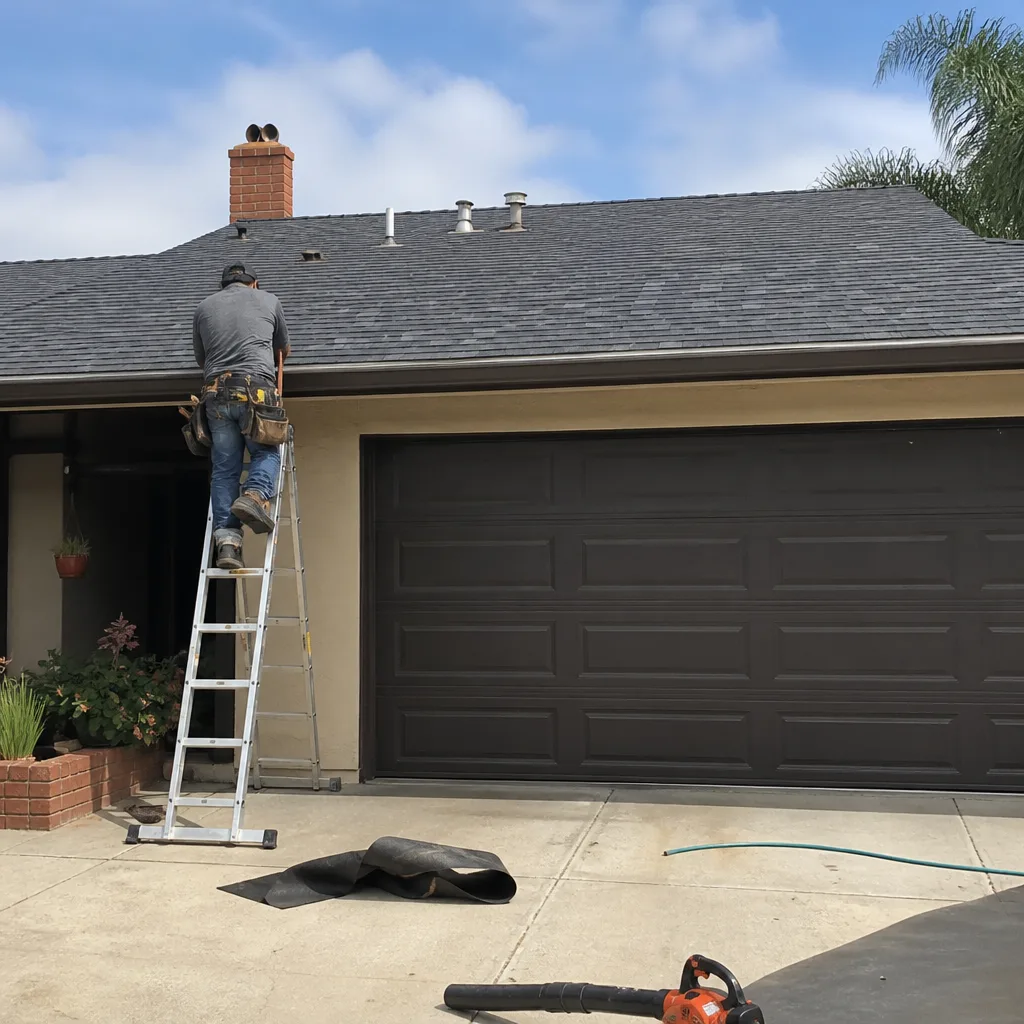
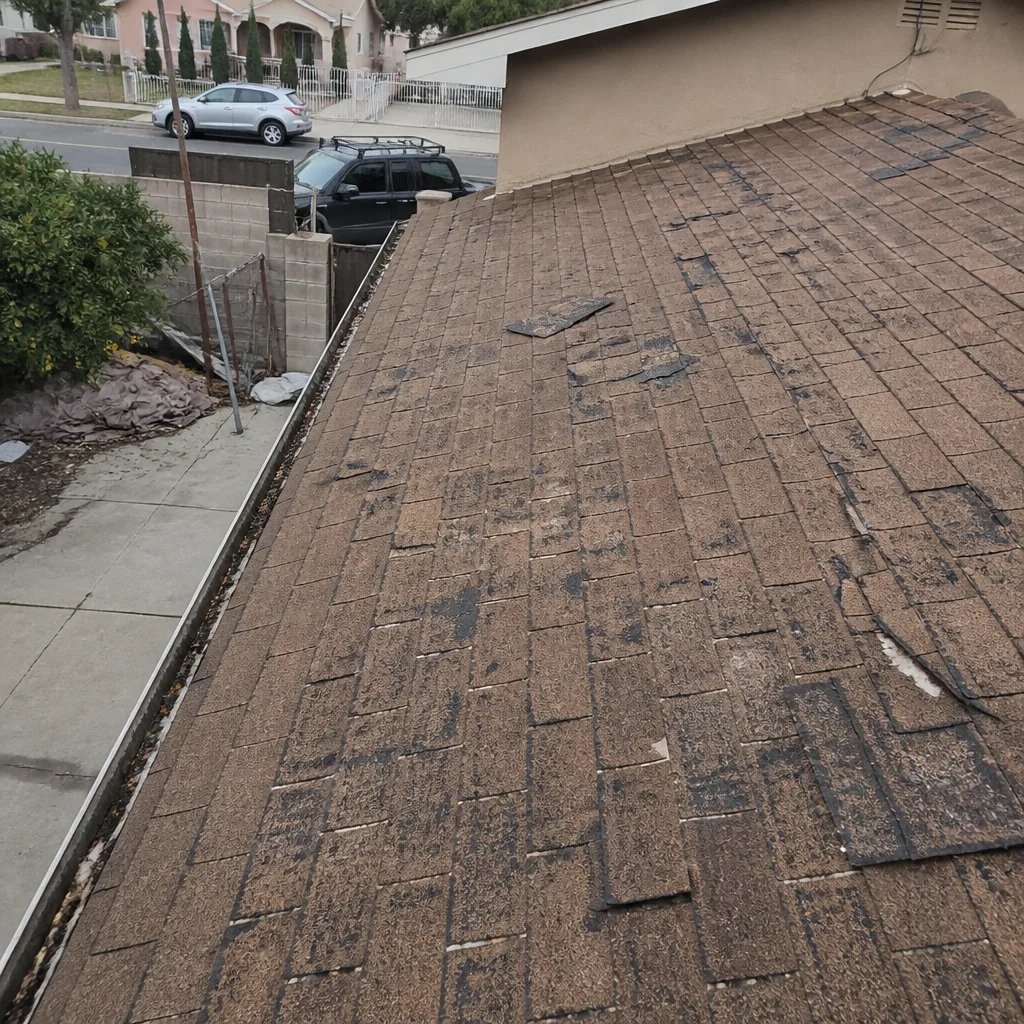
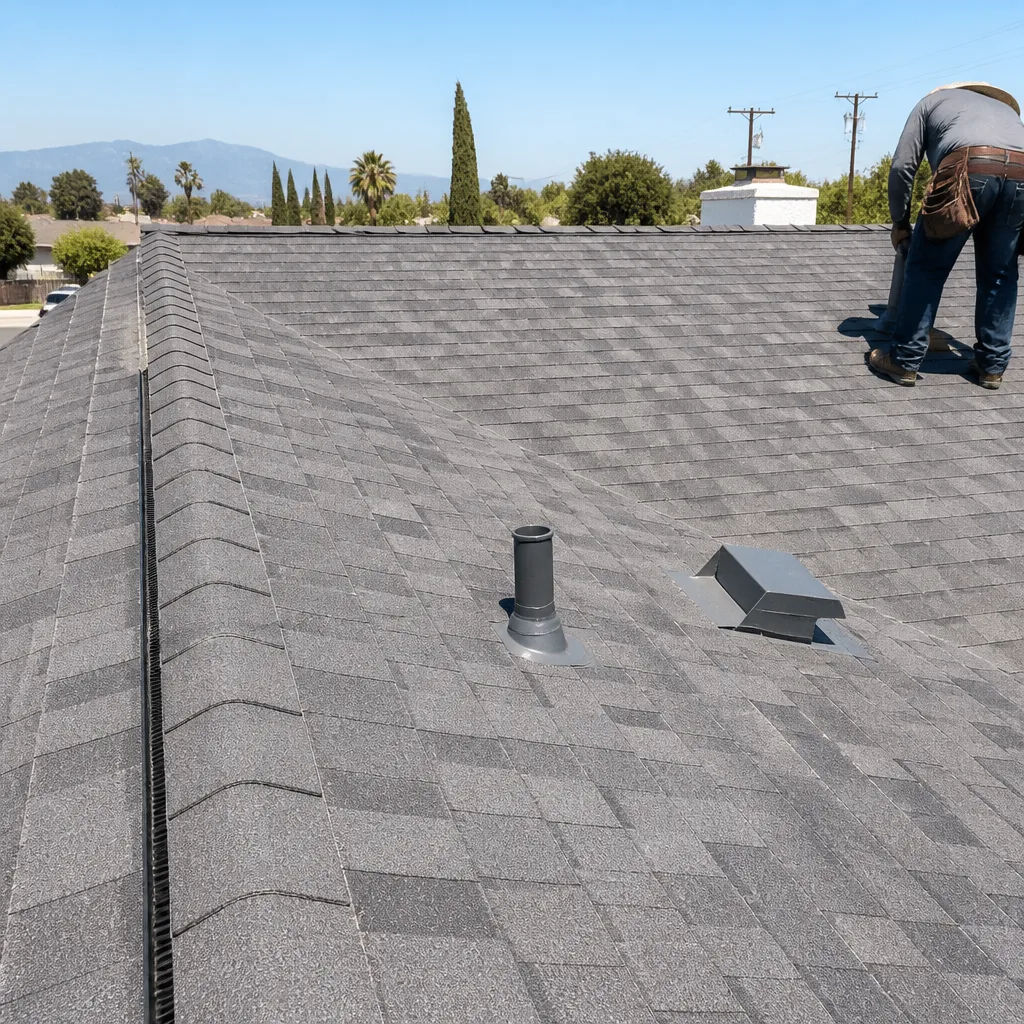
See the difference
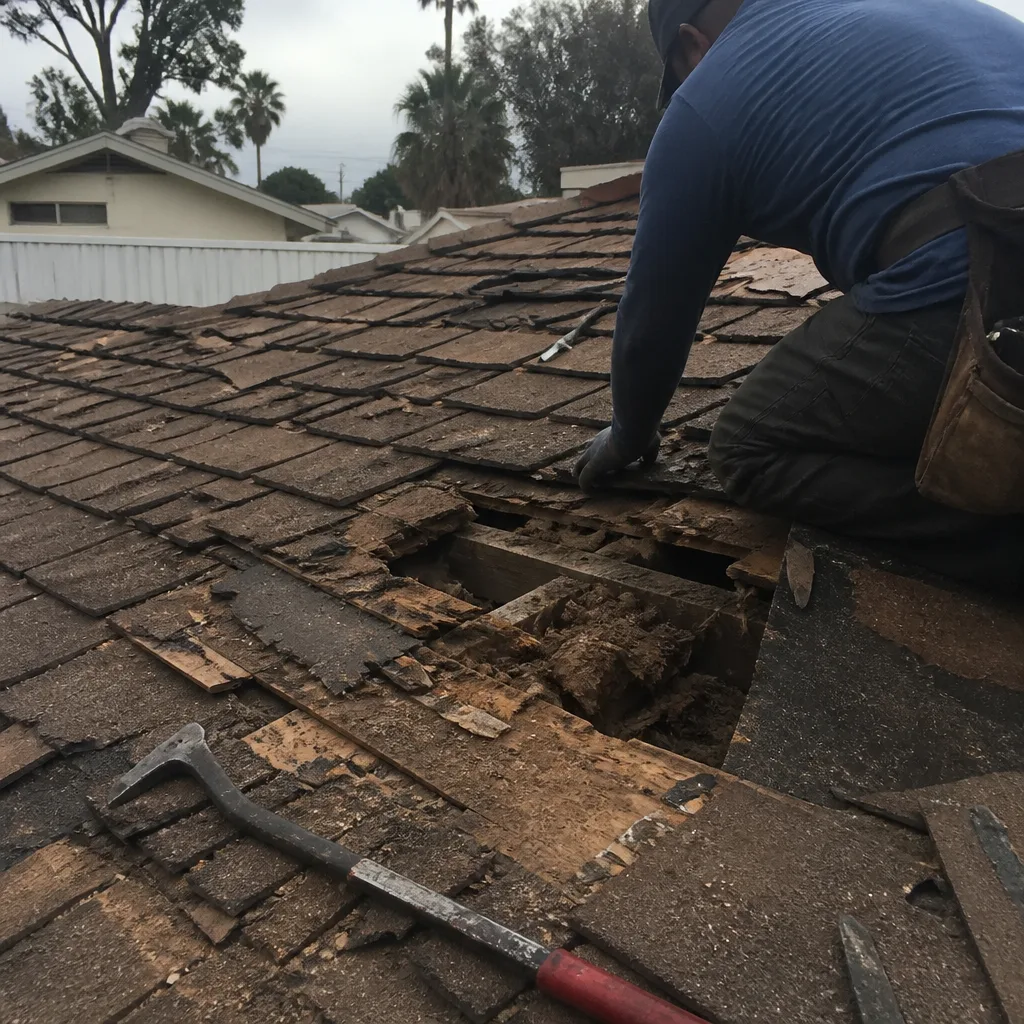 Before
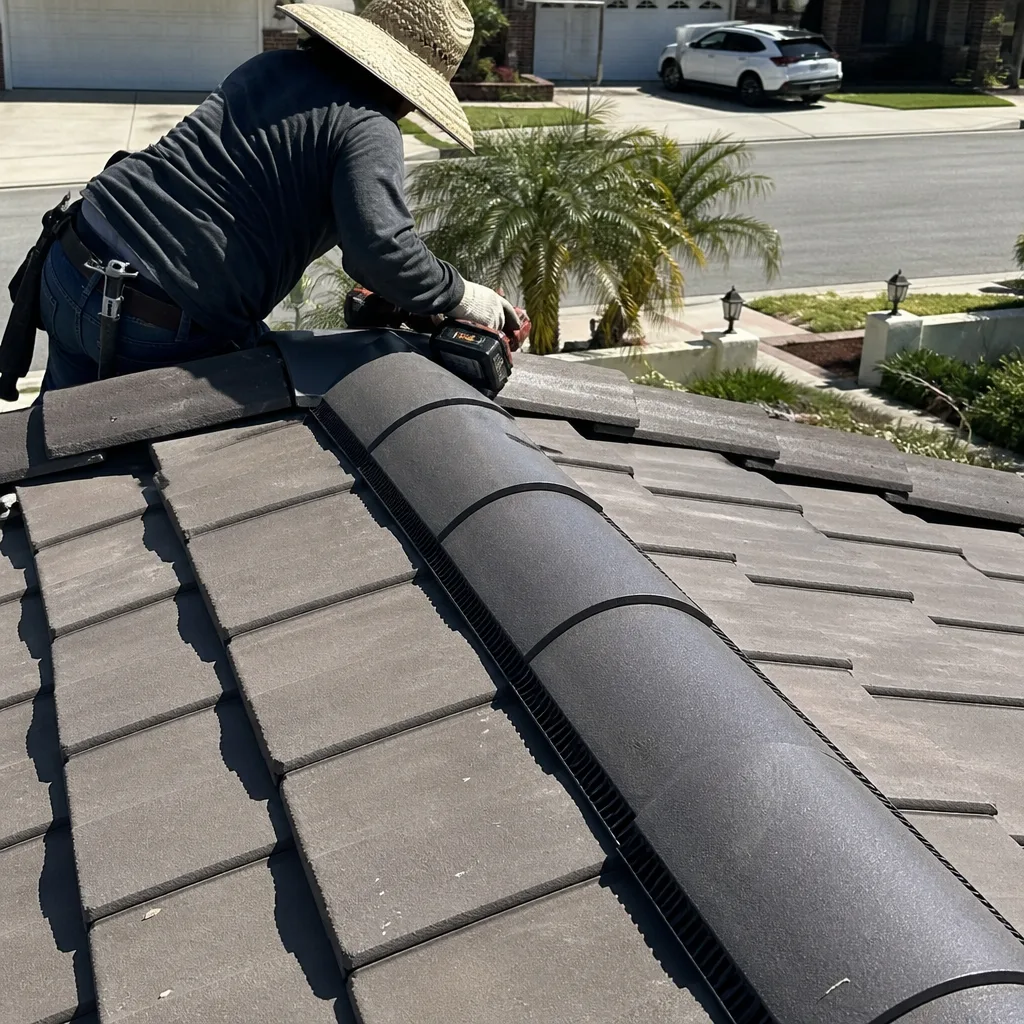 After
 Before
 After
 Before
 After